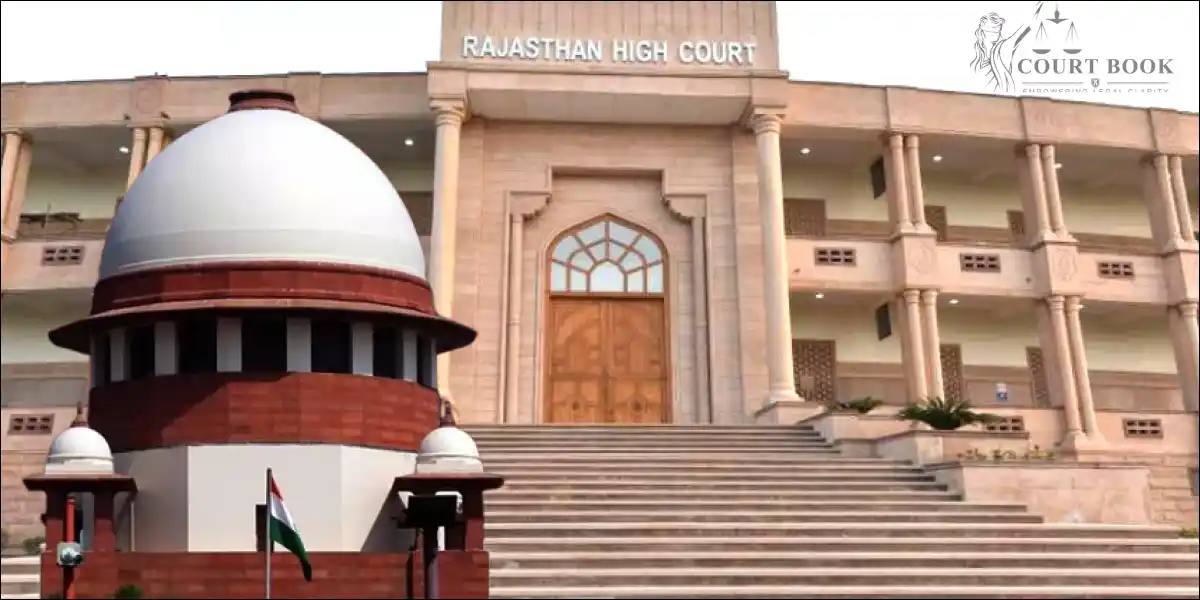
The Supreme Court on Monday (19-01-2026) refused to interfere with a Rajasthan High Court order that allowed the State Anti-Corruption Bureau (ACB) to register and investigate corruption cases even when the accused is a Central Government employee.
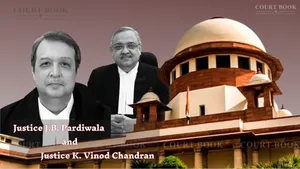
A Bench of Justice J.B. Pardiwala and Justice Satish Chandra Sharma heard the matter in SLP (Crl.) Nos. 1010–1011 of 2026.
Read also:- Delhi High Court Quashes Tax Reassessment Notices to NDTV Founders, Imposes ₹2 Lakh Cost on IT Dept
Background of the Case
The petitions were filed by Anil Daima and others, challenging a common order passed by the Rajasthan High Court (Jaipur Bench) on October 3, 2025.
The key dispute was about who has the power to act when an offence under the Prevention of Corruption Act is alleged against a Central Government employee within Rajasthan.
Before the High Court, the petitioners had raised two core questions:
• Whether only the CBI can register such a case, and the State ACB cannot proceed without CBI approval.
• Whether a charge-sheet filed by Rajasthan ACB without CBI consent is valid.
Read also:- Supreme Court Rejects Plea for Higher Compassionate Post After 19 Years, Imposes ₹10,000 Cost on Appellant
Court Observations
The Supreme Court noted that the High Court had already examined the legal position and answered both questions against the petitioners.
Agreeing with the High Court, the Bench recorded that Rajasthan ACB does have jurisdiction to register a case under the Prevention of Corruption Act even if the accused is a Central Government employee.
“The High Court has taken the correct view,” the Bench observed, adding that it was incorrect to claim “it is only the CBI who could have instituted the prosecution.”
Section 17A Argument Rejected
During the hearing, the petitioners’ counsel tried to argue that the accused should get protection under Section 17A of the Prevention of Corruption Act, which requires prior approval before investigation in certain situations.
However, the Bench clarified that the case involved allegations under Sections 7 and 7A, which relate to demand of illegal gratification.
Rejecting the plea, the court said the argument was “thoroughly misconceived.” The bench observed that Section 17A applies to matters linked with official decisions or recommendations, and “cannot be applied to cases of demand of illegal gratification.”
Read also:- Supreme Court Seeks Justice Gita Mittal Panel Report on Manipur Relief Camps, Sets Two-Month Deadline
Decision
With these findings, the Supreme Court dismissed the Special Leave Petitions. Pending applications, if any, were also disposed of.
Case Title: Anil Daima Etc. vs State of Rajasthan & Ors.
Case No.: SLP (Crl.) Nos. 1010–1011/2026
Decision Date: 19-01-2026
Download Order


 chief. Eknath Shinde – Shiv Sena leader-300x169.webp)
-300x169.webp)