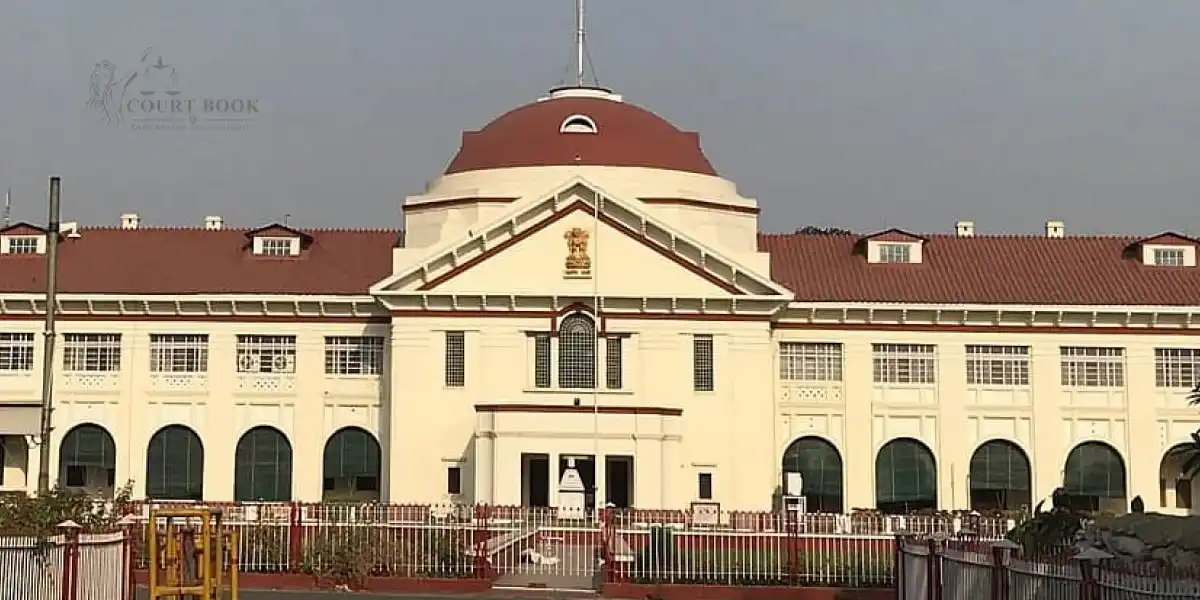
The Patna High Court has set aside a criminal cognizance order after finding that the Magistrate had passed it mechanically by filling blanks in a printed proforma, without demonstrating application of judicial mind.
Justice Chandra Shekhar Jha delivered the judgment on September 17, 2026, in a petition concerning proceedings arising from Benipatti Police Station Case No. 161 of 2016.
Background
The case arose after the Block Education Officer, Benipatti, reported that government funds allotted during several financial years for construction of additional classrooms and a Headmaster's room had allegedly not been utilised for completing the proposed works.
Based on the report, Benipatti Police Station Case No. 161 of 2016 was registered under Sections 406, 409, 420 and 34 of the IPC against the petitioners and other accused persons. The Additional Chief Judicial Magistrate subsequently took cognizance on June 12, 2018, on the basis of the police charge-sheet.
The petitioners challenged the cognizance order specifically on the ground that it had been passed on a printed proforma and did not show that the Magistrate had applied judicial mind.
The High Court referred to the Supreme Court's decision in Darshan Singh Ram Kishan v. State of Maharashtra, explaining that cognizance is taken when a Magistrate applies judicial mind to the allegations and takes judicial notice of the alleged offence.
The Court clarified that although a Magistrate is not required to write a detailed order while taking cognizance on a charge-sheet, the order cannot be passed mechanically.
"At the time of passing any judicial order including the order taking cognizance on the charge sheet, the Court is required to apply judicial mind and even the order of taking cognizance cannot be passed in mechanical manner."
The Court further stressed that taking cognizance and summoning an accused is a serious judicial step and the order should indicate consideration of the facts and applicable law.
The High Court found that the impugned order appeared to have been prepared mechanically by filling blanks in a typed proforma without assigning reasons. It therefore quashed and set aside the June 12, 2018 cognizance order and directed the trial court to pass a fresh, reasoned order in accordance with law, if the matter remained pending.
The criminal miscellaneous petition was accordingly allowed.
Case Details:
Case Title: Deo Chandra Chaudhary @ Devendra Chaudhary & Anr. v. The State of Bihar
Case Number: Criminal Miscellaneous No. 22003 of 2019
Judge: Justice Chandra Shekhar Jha
Decision Date: September 17, 2026






-300x169.webp)