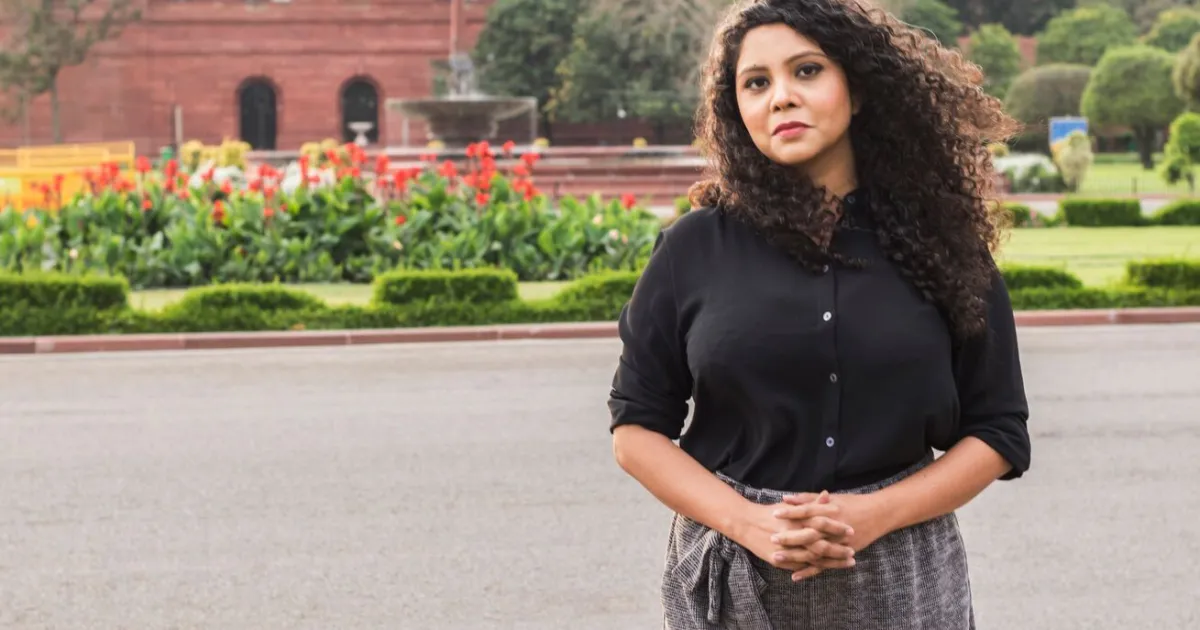
In a significant hearing before the Delhi High Court, the Central Government and Delhi Police submitted that social media platform X (formerly Twitter) may face serious legal consequences for not acting on allegedly unlawful tweets posted by journalist Rana Ayyub.
Background of the Case
The matter arises from a plea filed by advocate Amita Sachdeva seeking removal of certain tweets posted between 2013 and 2017. The petitioner alleged that the content was derogatory towards Hindu deities and capable of disturbing communal harmony.
Read also:- Allahabad High Court Judge Yashwant Varma Quits During Lok Sabha Inquiry
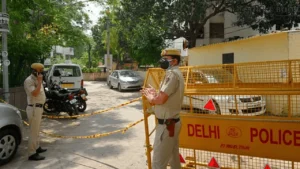
Earlier, a trial court had directed registration of an FIR against Ayyub under provisions relating to promoting enmity and hurting religious sentiments. The police subsequently issued notices to X, asking it to take down the posts.
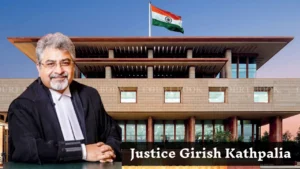
The case was heard by Justice Purushaindra Kumar Kaurav. During the hearing, the Centre emphasized that X had received “actual knowledge” of the content through court orders and police notices but failed to act.
The Court had earlier noted that the tweets appeared “highly derogatory, inflammatory and communal” and required urgent attention.
Read also:- Supreme Court Restores NCLT Order, Says ‘Pre-Existing Dispute’ Bars Insolvency Plea Against GLS Films
The Centre argued that X’s inaction violates due diligence obligations under the Information Technology Rules.
“The inaction amounts to non-compliance… and facilitates continued unlawful acts,” the government submitted, adding that safe harbour protection under Section 79(1) of the IT Act could be withdrawn.
It also informed the Court that proceedings under the IT Blocking Rules, 2009 had been initiated and were under consideration by the designated authority.
Read also:- Supreme Court Sets Aside Executing Court Orders, Says Decree Cannot Be Altered During Execution
X contested the maintainability of the petition, arguing that it is not a “State” under Article 12 of the Constitution and therefore not directly subject to writ jurisdiction.
The platform urged that the legality of the tweets should be determined through a civil suit and suggested that authorities follow the statutory blocking process under Section 69A of the IT Act.
It also proposed that any takedown direction should be issued to the original author of the tweets.
Read also:- Allahabad High Court Upholds 1986 Rape Conviction, Dismisses Appeal After Decades
Senior advocate Vrinda Grover, appearing for Rana Ayyub, questioned the maintainability of the petition. The Court granted Ayyub time to file a detailed reply, including on this issue.
The Delhi High Court directed the Delhi Police to act in accordance with its interim directions and ensure necessary communication with X.
It granted liberty to Rana Ayyub to file her response and listed the matter for further hearing on May 19.
Case Title: Amita Sachdeva v. Union of India & Ors.