

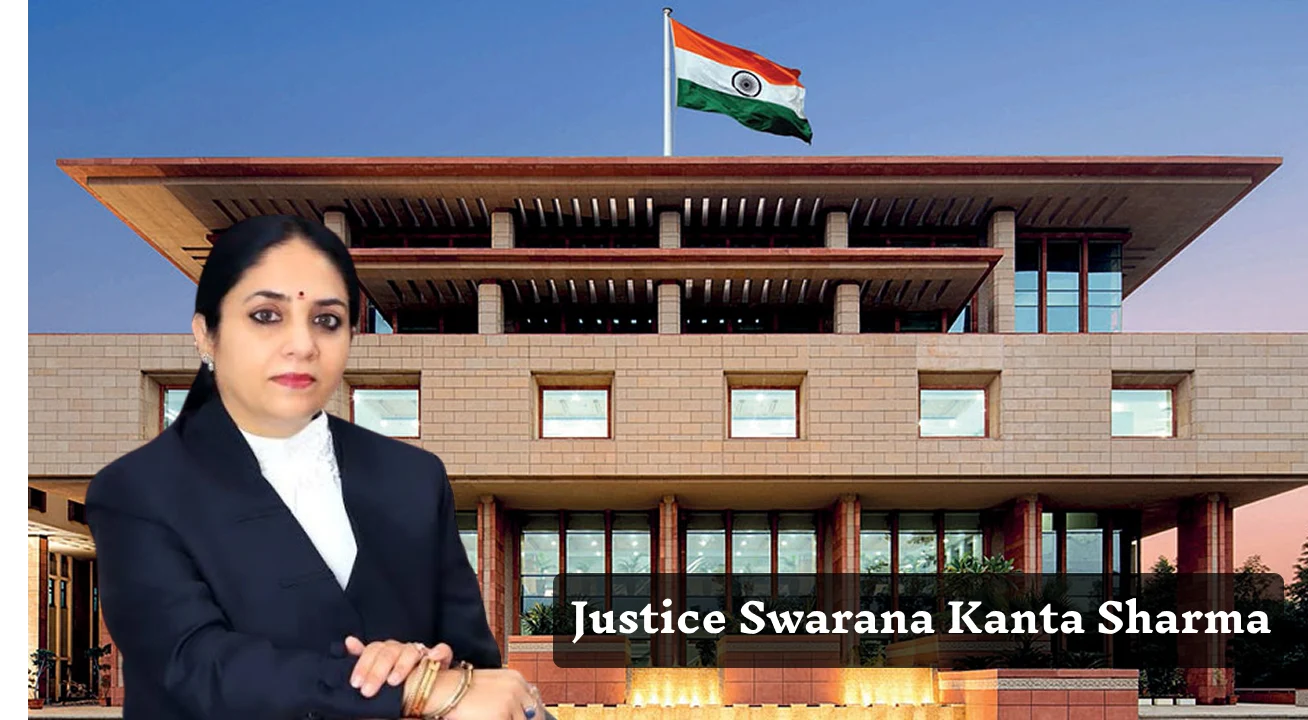
The Delhi High Court has quashed a rape and SC/ST Act case against a man accused by a former partner, holding that the allegations stemmed from a long-term consensual relationship that later broke down. The Court found no material to support claims of forcible sexual assault or caste-based abuse.
The ruling was delivered by Justice Swarana Kanta Sharma, who cautioned against giving criminal colour to failed personal relationships when evidence points otherwise.
Background of the Case
The case arose from FIR No. 904/2023, registered at Wazirabad Police Station, Delhi. The complainant alleged that the accused, whom she had known since 2019, raped her on 3 April 2023 and used caste-based slurs. Charges were framed under Section 376 IPC and Section 3(2)(v) of the SC/ST (Prevention of Atrocities) Act.
Read also:- Promotees Cannot Claim Direct Recruit Slots, Rules Andhra Pradesh High Court
According to the complaint, the two first connected through a student organisation and remained in touch for years. They met in person in 2022 in Kolkata, where the accused stayed at the woman’s home with her family’s knowledge. After she moved to Delhi for her PhD in 2023, they began meeting frequently.
The FIR was lodged in September 2023 nearly five months after the alleged incident.
Arguments Before the Court
The accused sought quashing of the FIR under Section 482 of the Criminal Procedure Code, arguing that the relationship was consensual and that criminal law was invoked only after the relationship ended.
The prosecution and the complainant opposed the plea, stating that the seriousness of the allegations required trial and that the accused had exploited the complainant emotionally and sexually on the false promise of marriage.
Read also:- Ganja Seizure Case: Calcutta High Court Grants Bail Over Violations in NDPS Procedure
Court’s Observations on Consent and Conduct
Justice Sharma examined the entire record, including statements, medical evidence, and verified WhatsApp conversations.
The Court noted that the parties had remained in close contact for years and continued communicating normally even after the alleged date of assault. The bench observed that the complainant had stayed with the accused on earlier occasions, including in January 2023, a fact not disclosed in the initial complaint.
“The conduct of the parties before and after the alleged incident becomes crucial while assessing whether consent was vitiated,” the bench observed.
The Court also highlighted that the FIR was filed after a significant delay and during a period when the relationship had already deteriorated.
Read also:- Delhi High Court Questions Media Defamation Claims, Reserves Verdict in Newslaundry Case
WhatsApp Chats and Medical Evidence
A key factor in the ruling was the WhatsApp conversations exchanged between the two, which were verified during the investigation and earlier bail proceedings.
The Court noted that the chats reflected mutual affection and voluntary interaction. Importantly, they did not indicate distress, coercion, caste abuse, or a false promise of marriage.
Medical records, recorded months after the alleged incident, also did not support the prosecution’s case. The bench observed that while delay can explain lack of injuries, there was no independent material corroborating the allegation of rape.
Read also:- Calcutta High Court Denies Bail to Prayag Group Chiefs in ₹2,800 Crore Money Laundering Case
Allegation of False Promise of Marriage
On the claim that consent was obtained on a false promise of marriage, the Court found no supporting material.
“The record does not disclose that any promise of marriage was made at the inception of the relationship with dishonest intent,” Justice Sharma noted.
The Court reiterated settled law that a relationship failing to culminate in marriage cannot, by itself, be treated as rape.
SC/ST Act Charge Examined
The Court also scrutinised the application of Section 3(2)(v) of the SC/ST Act, which requires proof that the offence was committed specifically because of the victim’s caste.
Read also:- Madras HC Slams Police Inaction in Pachaiyappa’s Trust Case, Seeks Explanation from Top Officers
“No material on record shows that the alleged acts were motivated by caste identity,” the Court held, adding that verified chats contained no caste-related remarks.
Court’s Decision
Concluding that continuation of criminal proceedings would amount to abuse of process, the High Court allowed the petition.
“The material on record reflects a consensual relationship between two adults. The allegations do not disclose the commission of offences under Section 376 IPC or Section 3(2)(v) of the SC/ST Act,” the bench held.
Accordingly, the Delhi High Court quashed the FIR and all proceedings arising from it, bringing the case to a close.
Case Title: Dr. Avadesh Kumar v. State (NCT of Delhi) & Another
Case Number: CRL.M.C. 3/2025
Download Judgment

