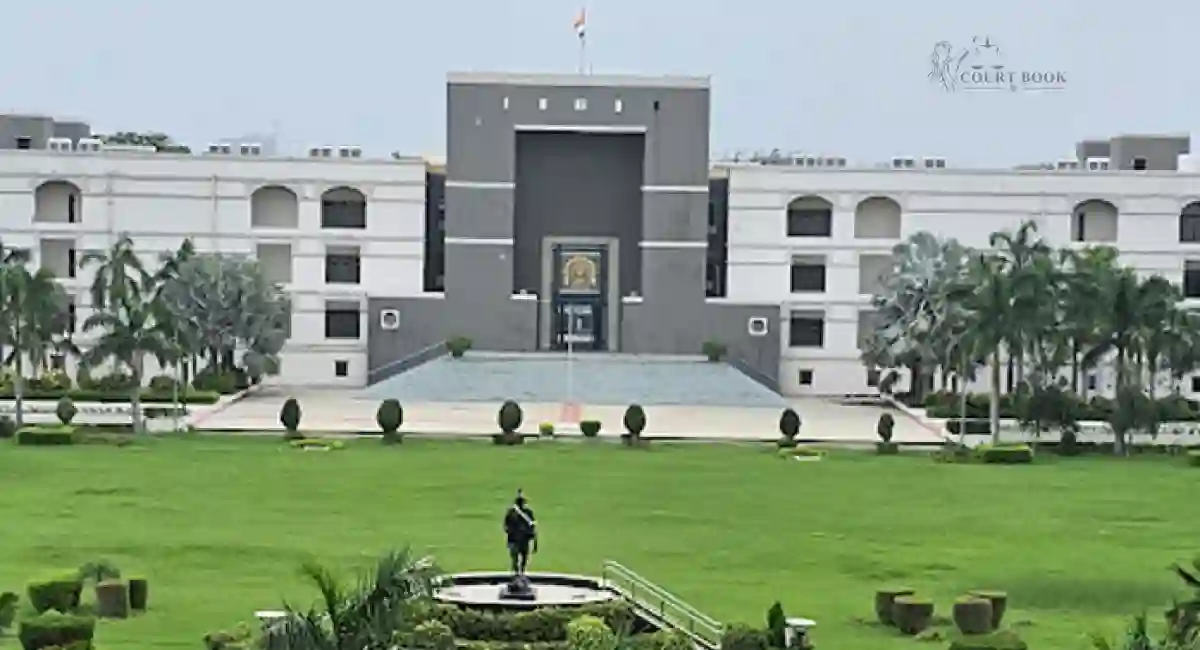
In a packed courtroom on Tuesday morning, the Gujarat High Court delivered a sharp reminder to adjudicating authorities: evidence cannot be cherry-picked, especially when the law demands fairness. Hearing the long-running dispute involving M/s Mitesh Impex and the Union of India, the Division Bench of Justice A.S. Supehia and Justice Pranav Trivedi struck down a 2025 order of the customs authority, holding that the adjudication had leaned excessively on witness statements never subjected to cross-examination.
हिंदी में पढ़ें
Background
The case traces back to a 2012 show-cause notice alleging violations under Sections 112(a) and 114(iii) of the Customs Act. After penalties were imposed in 2014, the matter went before the CESTAT, which in March 2023 remanded the case, directing that all six key witnesses be made available for cross-examination.
However, only three witnesses eventually appeared after remand. Their testimony reportedly supported the petitioners. The remaining three stayed absent despite repeated notices, yet their earlier statements-recorded without cross-examination-were still used against the firm. This, according to counsel Paresh Dave, was “a straight breach of the Tribunal’s directions.”
Court’s Observations
During the hearing, the Bench questioned the government counsel on why the authority relied heavily on untested statements. He could not dispute that three witnesses never appeared despite four opportunities.
The Bench noted that Section 138-B, which deals with the use of witness statements, cannot be used casually. “The bench observed, ‘Unless the officer records why the witness cannot be produced, and unless the assessee is told how the statement will be used, such statements cannot automatically become evidence.’”
Read also:Supreme Court Restores Seniority Rights of PSEB Employee After Nearly Five-Decade Legal Battle
The judges stressed that when some witnesses do appear and give testimony under cross-examination, ignoring them while relying on absent witnesses’ old statements tilts the balance of fairness. The court underlined that statements of unavailable witnesses may be used only after establishing that securing their presence is truly impossible and after giving the assessee a real chance to counter that evidence.
In one pointed remark, the Bench indicated that the adjudicating authority should have evaluated all evidence together, instead of selectively depending on the three no-show witnesses. Such asymmetry, the judges implied, defeats the purpose of a remand order.
Read also:Supreme Court Flags Serious Procedural Flaws, Sends Bihar Murder Case Back for Fresh Section 313
Decision
Concluding that the adjudicating authority had not applied Section 138-B in the manner the law requires, the High Court quashed the order and remanded the matter once again for a fresh, lawful adjudication. The authority must now reconsider the case within 12 weeks, this time weighing testimony from both sets of witnesses and recording proper findings before relying on any untested statements.
With that, the court left all issues open-bringing the dispute back to the starting line, but with sharply clearer rules of engagement.
Case Title: M/s Mitesh Impex & Others vs. Union of India & Another
Case Number: R/Special Civil Application No. 11791 of 2025
Case Type: Special Civil Application (Writ Petition)
Decision Date: 25 November 2025 (Reserved on 20 November 2025)
Download Judgment