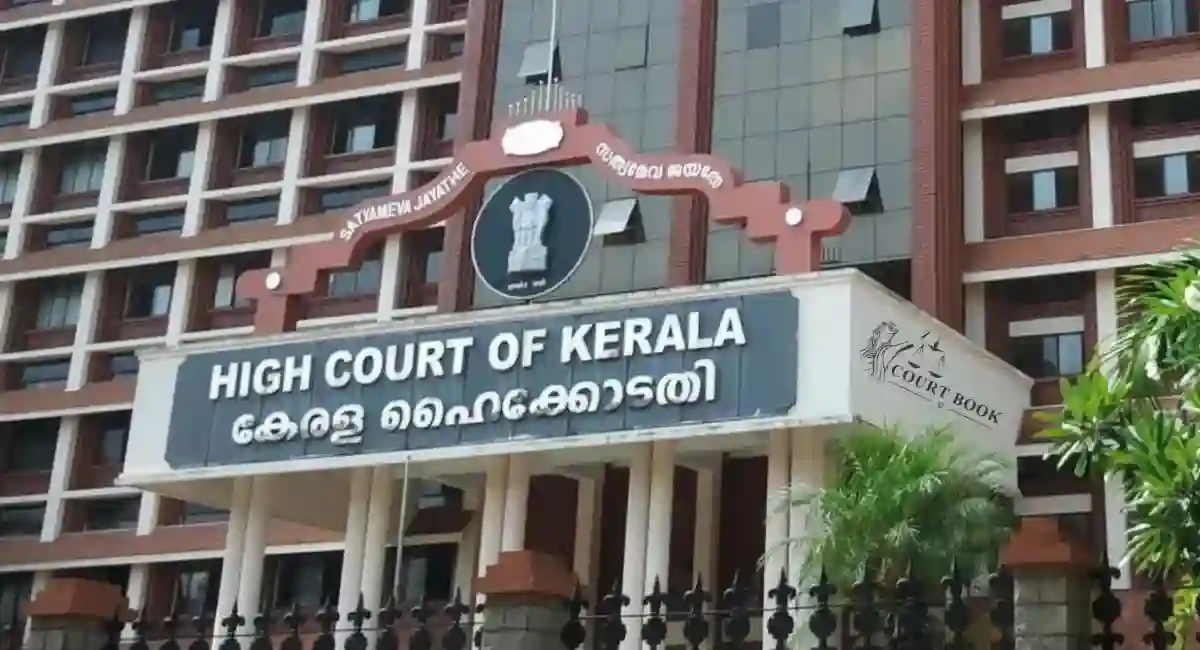
The Kerala High Court has ruled that a Village Officer cannot be proceeded against before the Ombudsman for Local Self Government Institutions under the Kerala Panchayat Raj Act.
Justice P.V. Kunhikrishnan held that a Village Officer does not fall within the definition of “public servant” under the relevant provisions of the Act. Consequently, the court quashed the proceedings initiated against the officer before the Ombudsman.
Background of the Case
The writ petition was filed by Saheer, a Village Officer working at the Pathiyoor Village Office in Alappuzha district. He approached the High Court challenging a complaint pending before the Ombudsman for Local Self Government Institutions.
The complaint had been filed by a private individual alleging irregularities and maladministration. Saheer was arrayed as the sixth respondent in that complaint.
Arguing before the court, the petitioner contended that the Ombudsman lacked jurisdiction to proceed against him because the Kerala Panchayat Raj Act, 1994 empowers the Ombudsman to investigate complaints only against specific categories of public servants connected with local self-government institutions.
Legal Issue Before the Court
The central issue before the court was whether a Village Officer qualifies as a “public servant” under Section 271F(g) of the Kerala Panchayat Raj Act, thereby allowing the Ombudsman to investigate allegations against such an officer.
The court examined the statutory definition of “public servant” and the scope of the Ombudsman’s powers under Section 271J of the Act.
Under the law, the Ombudsman can investigate allegations of corruption or maladministration involving employees or officers under Local Self Government Institutions, elected members, or officers of institutions transferred to such bodies.
Read also:-Allahabad High Court: RTI Applicant Can Know Marks of Other Candidates but Not Get Their
Court’s Observations
After analysing the statutory provisions, the court found that a Village Officer does not fall within the categories mentioned in the Act’s definition of “public servant.”
Justice Kunhikrishnan observed that the jurisdiction of the Ombudsman is confined strictly to the persons and authorities mentioned in the statute.
“The definition clearly states that a public servant means an employee or officer under the Local Self Government Institution or an elected member of such institution,” the court noted while interpreting Section 271F(g).
Since the petitioner was a Village Officer under the revenue administration, he could not be treated as a public servant under that definition for the purposes of proceedings before the Ombudsman.
The judge further clarified that complaints before the Ombudsman must relate only to the actions of public servants or institutions covered by the statute.
“The proceedings against the petitioner… will not stand before the Ombudsman for Local Self Government Institutions,” the bench observed.
Read also:-Supreme Court Seeks Expert Input to Define ‘Aravalli Hills and Ranges’, Orders Status Quo on
Court’s Decision
Allowing the writ petition, the Kerala High Court set aside all proceedings against the petitioner before the Ombudsman.
However, the court clarified that the complaint itself would not fail entirely. The Ombudsman remains free to proceed with the complaint against the other respondents involved in the case, if the allegations against them are legally sustainable.
Accordingly, the court ordered that all further proceedings before the Ombudsman against the petitioner alone stand quashed, while the proceedings against the remaining respondents may continue in accordance with law.
Case Title: Saheer v. Ombudsman for Local Self Government Institutions & Anr.
Case No.: WP(C) No. 15062 of 2025
Decision Date: 11 February 2026
Download Judgment








-300x169.webp)