The Rajasthan High Court has dismissed a long-pending pension claim filed by a former Public Works Department (PWD) employee, holding that a service dispute raised after more than two decades cannot be revived under writ jurisdiction. While rejecting the claim on grounds of abandonment of service and delay, the Court also came down heavily on the State for losing service records and ordered a departmental inquiry against erring officials.
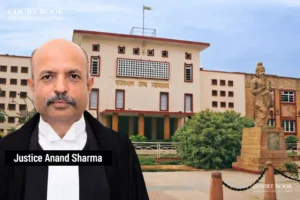
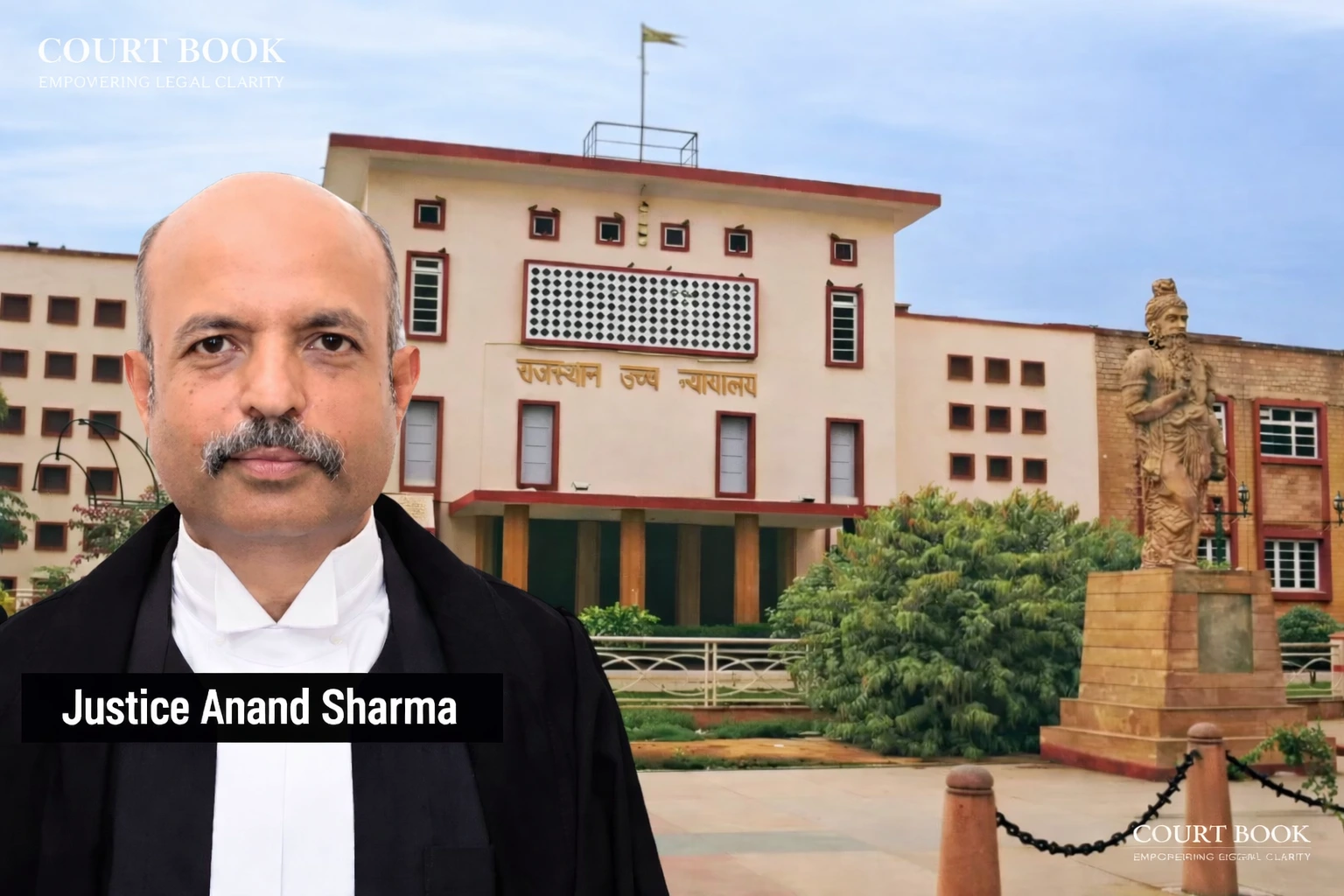
The judgment was delivered by Justice Anand Sharma at the Jaipur Bench on January 15, 2026.
Background of the Case
The petitioner, Gopal Sharma, was appointed as a Lower Division Clerk (LDC) in the Rajasthan PWD in August 1973. According to court records, he worked continuously until 1987, when he was transferred. After that transfer, the State alleged, Sharma never reported back for duty.
Read also:- Allahabad High Court Upholds Life Term in 1987 Murder Case, Dismisses Appeal After 35 Years
For over 20 years, there was complete silence. No representation. No grievance. No legal action.
It was only in 2012 two years after his claimed date of retirement in 2010 that Sharma approached the department seeking pension and other retiral benefits. When the request was rejected, he filed a writ petition in 2013, arguing that since there was no formal termination order, his service should be treated as continuing till superannuation.
Petitioner’s Arguments
Counsel for the petitioner argued that pension is a statutory right and not a charity. He submitted that mere absence from duty cannot automatically lead to loss of service unless the department passes a formal termination or disciplinary order.
Read also:- Delhi High Court Upholds POCSO Conviction, Modifies Sentence in Child Abuse Case
“The absence of a termination order must operate in favour of continuity of service,” the petitioner’s counsel contended, adding that Sharma had already completed more than 14 years of service, which would meet the minimum pension requirement under the amended pension rules.
It was also argued that the department could not deny pension merely because service records were missing, especially when maintaining those records was the State’s responsibility.
State’s Stand
The State government strongly opposed the claim. Its counsel submitted that Sharma had voluntarily abandoned service in 1987 and never returned.
“Such prolonged and unexplained absence, spanning more than two decades, clearly amounts to abandonment of service,” the government argued.
Read also:- Karnataka High Court Quashes Rape FIR in Live-In Relationship Case, Calls It Consensual, Not Criminal
The State further said that pension eligibility must be assessed based on the rules applicable at the time the service ended not on a notional retirement date. As per the rules prevailing in 1987, a minimum of 20 years of qualifying service was mandatory, which Sharma admittedly did not have.
Court’s Observations
After hearing both sides, the Court found the delay in approaching the court to be fatal.
“The cause of action, if any, arose when the petitioner stopped attending duties,” the bench observed, adding that a vigilant employee would not remain silent for decades.
Justice Sharma noted that the writ jurisdiction under Article 226 is discretionary and equitable. Entertaining a claim after 26 years would unsettle settled administrative positions and defeat the principle of finality.
Read also:- Punjab & Haryana High Court Stays Probe Against Journalists Over Helicopter Report Linked to CM’s Travel
On merits, the Court rejected the argument that absence of a termination order automatically means continuation of service.
“Long unauthorised absence can be treated as voluntary abandonment of service,” the Court said, holding that continuity cannot be presumed merely because the department did not issue a formal order.
The Court also clarified that later amendments reducing the minimum qualifying service for pension cannot be applied retrospectively to revive a service relationship that had already ended.
Strong Words on Missing Records
While dismissing the petition, the Court did not spare the State for its handling of service records.
“This Court deprecates the respondents’ lapse,” the bench remarked, stressing that service records are the foundation for determining an employee’s rights.
Read also:- Madras High Court Drops Benami Charges Against Woman Partner, Allows Trial to Continue Against Firm and Husband
Calling the loss of records a “serious dereliction of duty,” the Court directed the Principal Secretary, PWD, to conduct an inquiry to fix responsibility and initiate disciplinary action against officials found at fault. A compliance report has been sought within four months.
Final Decision
Concluding that the claim was barred by delay and lacked merit, the Rajasthan High Court dismissed the writ petition. However, it simultaneously ordered a departmental probe into the loss of service records, making it clear that administrative negligence would not go unchecked even when the employee’s claim fails.
Case Title: Gopal Sharma v. State of Rajasthan & Others
Case Number: S.B. Civil Writ Petition No. 11940/2013
Download Judgment