

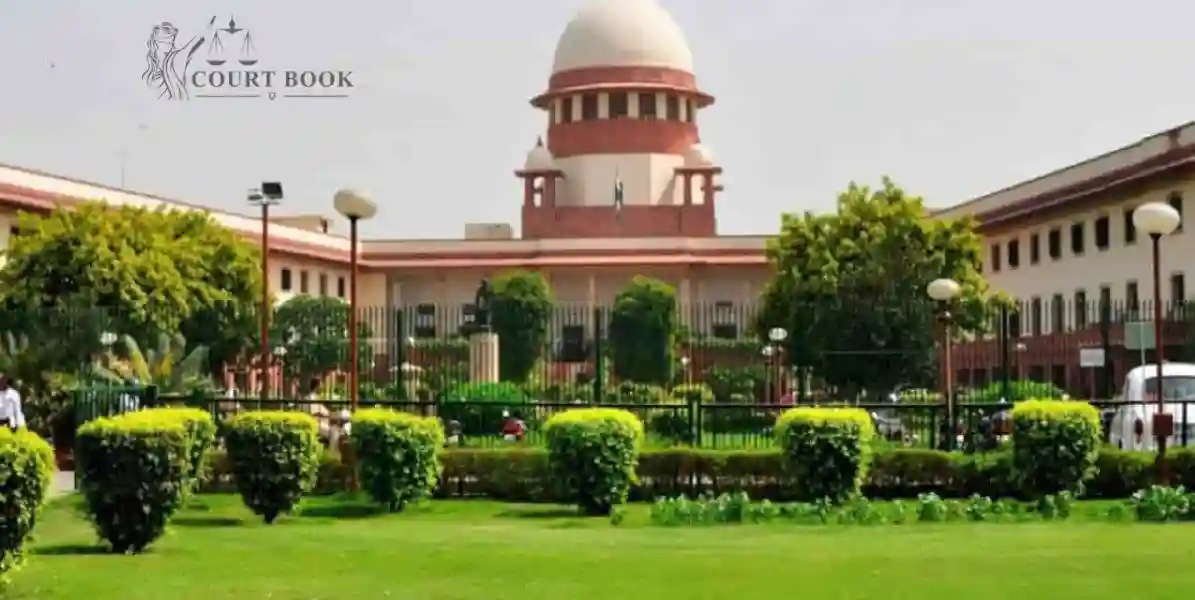
The Supreme Court of India has issued a fresh circular tightening the procedure for seeking adjournments in listed cases, signalling a push to reduce delays in hearings.
According to the circular dated 18 March 2026, the new guidelines replace earlier directions issued in November and December 2025. The instructions have been issued under the directions of the Chief Justice of India.
Adjournment Requests Now Under Stricter Scrutiny
The court has clarified that advocates-on-record (AORs) or parties appearing in person can still submit letters requesting adjournment for cases that are newly listed or listed after notice. However, such requests must follow a strict procedure.
A copy of the adjournment letter must be served in advance to the opposing party. The request should be submitted before 11:00 AM on the previous working day, along with proof that the other side has been informed. The opposing party may raise objections by 12:00 noon through email, and those objections will also be placed before the court.
Only Genuine Reasons Will Be Considered
The circular stresses that adjournments will be granted only in exceptional situations, such as bereavement in the family or serious medical conditions of the advocate or the party.
The court also made it clear that the adjournment request must clearly mention the reason and the number of adjournments already taken in the case.
Fresh Cases Get Only One Chance
Importantly, the court has limited adjournment requests in fresh matters to only one attempt through a circulated letter. Two consecutive adjournments will not be permitted without the matter being listed before the bench.
For regular matters, the circular states that letters seeking adjournment will not be allowed at all, indicating the court’s intent to ensure smoother and faster hearings.
The new process also requires requests to be submitted in a prescribed format through an official email designated for adjournment letters.
Download Circular

