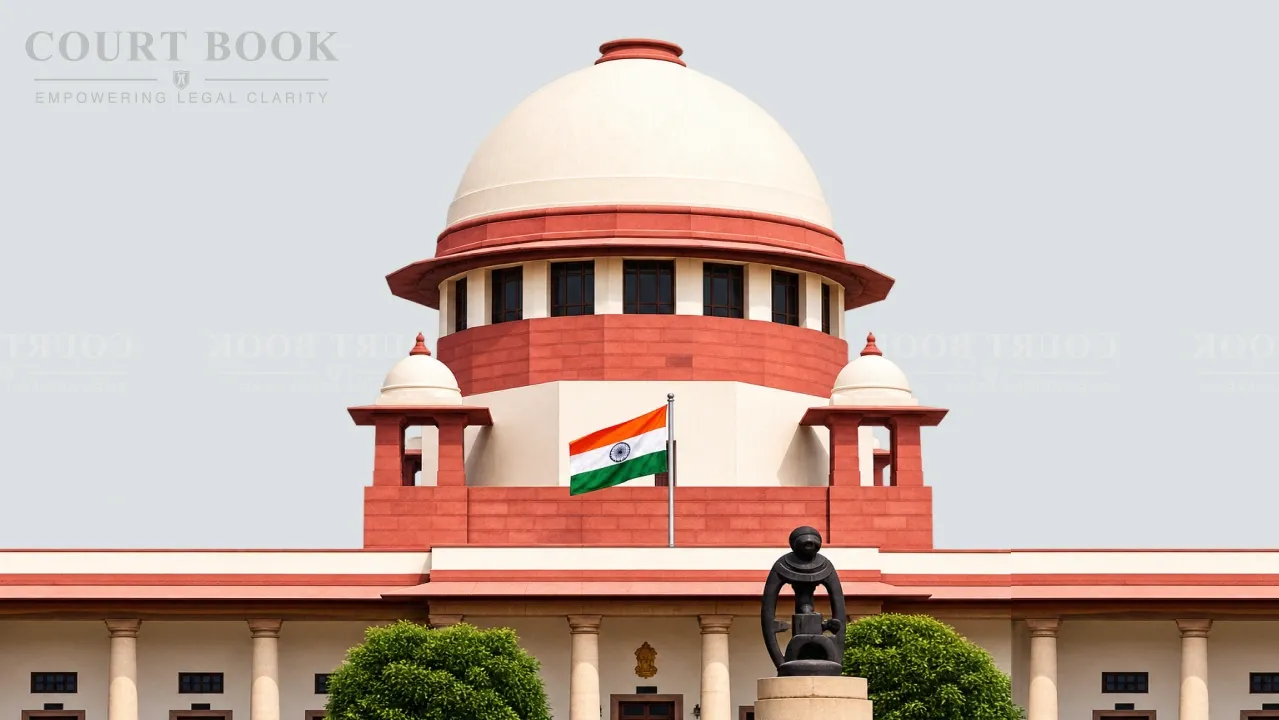
The Supreme Court has expressed reservations over using a Public Interest Litigation (PIL) to challenge the validity of a government tender when the dispute primarily involves comparing the claims and eligibility of competing bidders.
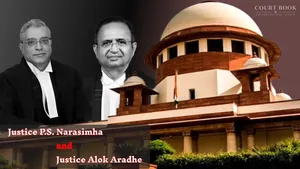
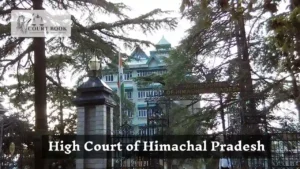
A Bench of Justice Dipankar Datta and Justice Sheel Nagu was hearing appeals against a December 24, 2024 judgment of the Himachal Pradesh High Court, which had quashed the award of work to O.P. Mehta and directed the authorities to re-tender the remaining road construction work.
Background
The dispute concerns the upgradation of the Matiana, Mahori to Chhaila road, covering Km. 0/00 to 25/650 under PMGSY Package No. HP-09-694. The estimated cost of the work was around ₹23 crore.
The High Court had considered several issues relating to the tender process, including the experience claimed by the successful bidder, whether that experience was obtained as a sub-contractor or prime contractor, the use of different names, compliance with conditions governing sub-contracts, and differences between the work experience certificate and the work actually executed earlier.
The Supreme Court also noted that the PIL petitioner was described as the “alter ego” of the unsuccessful bidder, who had earlier complained against the successful bidder but subsequently withdrew the complaint.
The Bench raised a specific question about whether such a tender dispute could properly be examined through a PIL when the central issue requires an inter-se comparison between competing bidders.
The Court observed:
"The aspect which glares in the face in present case is as to whether the issue of validity of a tender, where comparative claims of competing tenderers are to be adjudged, can be raised as subject matter of challenge in a PIL?"
The Bench further recorded that it had reservations because the grounds raised before the High Court predominantly concerned a comparative assessment between the two bidders. It also noted that the ₹23-crore project was not of such magnitude as would support a plea concerning wastage of public resources.
The Court additionally observed:
"It cannot be overlooked that the petitioner before the High Court, as the alter ego of the unsuccessful bidder, filed the PIL questioning the tender process. The said unsuccessful bidder had complained against the successful bidder and has since withdrawn the complaint."
During the proceedings, the Supreme Court was informed that around three kilometres of road construction, including retaining and breast walls, had already been completed. The appellant expressed willingness to complete the remaining work at the rates applicable when the work was awarded on March 15, 2024, and assured the Court that quality would not be compromised.
Considering this assurance, the Court granted the appellant three months to complete the entire allotted work at the rates prevailing on March 15, 2024. The Court directed that, if the work was not completed within that period, subject to verification of its quality by the official respondents, the same work would be re-tendered at the prevailing market rate.
The matter was directed to be listed in the first week of December 2026 for submission of the compliance report.
The order also applies to Civil Appeal No. 12969 of 2026 filed by the State of Himachal Pradesh.