

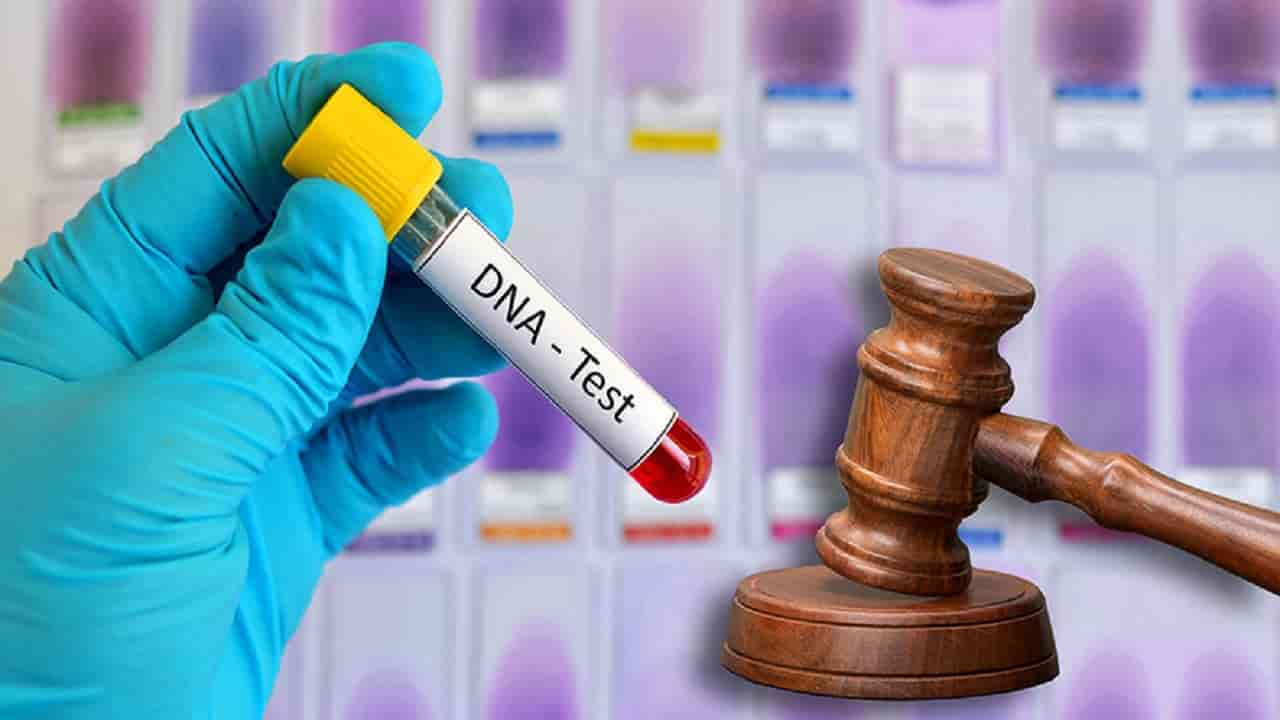
The Rajasthan High Court has ruled that a wife cannot be compelled to undergo narco-analysis, polygraph, DNA or other medical tests without her consent in matrimonial proceedings. The Court dismissed a writ petition filed by a husband challenging a Family Court order that had rejected his request for such examinations during an ongoing divorce case.
Background of the Case
The dispute arose from a divorce petition filed by the wife under the Hindu Marriage Act. She sought dissolution of marriage on grounds including alleged cruelty, desertion and allegations relating to the husband's sexual incapacity. The husband denied those allegations and claimed that he had made efforts to preserve the marriage while the wife was unwilling to resume cohabitation.
During the proceedings, the husband moved an application seeking directions for both parties to undergo joint narco-analysis, polygraph, DNA and medical tests. He argued that these examinations were necessary to counter the allegations made against him and even offered to bear the entire cost of the tests.
The wife opposed the application, contending that the evidence stage had already concluded and the matter was awaiting final arguments. She argued that the request was filed only to delay the proceedings and that she could not be forced to undergo such examinations against her will.
The trial court rejected the husband's application on May 15, 2026, leading him to approach the High Court.
Court’s Observations
After examining the record, Justice Sanjeet Purohit noted that both parties had already completed their evidence and the case had reached the stage of final arguments when the application was filed. The Court observed that the husband had not produced any medical evidence during the trial to rebut the allegations and had failed to explain why such a request was not made earlier.
The Court emphasized that powers to reopen evidence or permit additional evidence are exceptional and cannot be used routinely to fill gaps in a party's case.
Justice Purohit observed that,
“Respondent wife cannot be compelled to undergo such tests without her consent.”
The Court further noted that the husband had failed to establish the relevance or necessity of narco-analysis, polygraph or DNA testing in relation to the allegations raised in the matrimonial dispute.
The Court also distinguished the Supreme Court's decision in Deep Mukherjee v. Sreyashi Banerjee, noting that the judgment did not authorize compelling a wife to undergo medical examinations against her wishes.
Delay Tactic Not Permissible
The High Court found merit in the contention that the application had been filed at a very late stage of the proceedings. According to the Court, the request appeared to be aimed at prolonging the litigation rather than assisting in adjudication of the dispute.
The bench observed that courts cannot be expected to collect evidence on behalf of a litigant or help a party overcome deficiencies in evidence already led. The burden of proving allegations remains on the party making them.
Decision
Finding no illegality, perversity or jurisdictional error in the trial court's order, the Rajasthan High Court refused to interfere under its supervisory jurisdiction under Article 227 of the Constitution.
Dismissing the petition, the Court held that the request for joint medical examination, narco-analysis, polygraph and DNA testing was legally untenable and lacked demonstrated relevance to the issues involved in the divorce proceedings.
Consequently, the writ petition, along with all pending applications, was dismissed.
Case Details:
Case Title: BLJ v. Smt. NJ
Case Number: S.B. Civil Writ Petition No. 12287/2026
Judge: Justice Sanjeet Purohit
Decision Date: June 2, 2026


