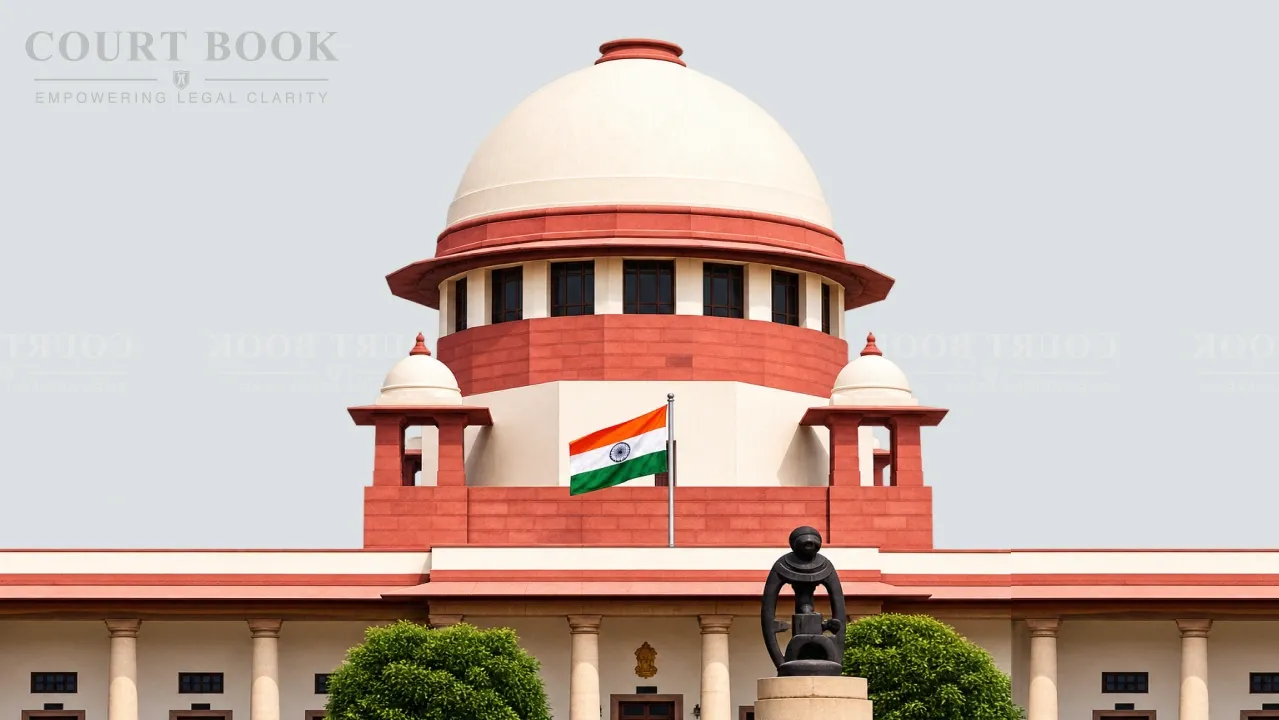
The Supreme Court has settled a long-standing conflict among High Courts, holding that a civil court cannot appoint a receiver or pass any protective interim order in a suit against a public trust until the court has actually granted leave to institute that suit under Section 92 of the Civil Procedure Code.
Background of the Case
The dispute arose out of a suit filed against People's Education Trust, a public charitable trust. Along with the suit, the plaintiffs had also moved an application seeking appointment of a receiver, even though the court had not yet granted leave to institute the Section 92 suit itself.
The Principal District and Sessions Judge, Mandya, had on 2nd May 2025 allowed this application and constituted an ad hoc committee of existing trustees to run the day-to-day affairs of the trust until further orders. The Karnataka High Court, however, set aside that order on 25th June 2025. It relied on its own earlier view that a Section 92 suit remains "stillborn" until leave is granted, and that a court has no jurisdiction to pass any interlocutory order while the leave application is still pending.
This is where the matter reached the Supreme Court, since different High Courts had taken opposite views on the same question over the decades - some allowing protective orders during the pendency of leave, others refusing them entirely.
Arguments Before the Court
Appearing for the appellants, senior counsel argued that a court seized of a leave application cannot be reduced to a "mute spectator" while trust property is at risk. It was submitted that the power to appoint a receiver flows from Section 94 read with Order XL Rule 1 of the Code, and separately from the court's inherent powers under Section 151, and that neither provision is confined to suits that have already been formally instituted.
Counsel for the respondents countered that an application for leave is only a threshold step, not a substantive proceeding, and that no rights can be adjudicated - including appointment of a receiver - before leave is actually granted. They pointed out that Order XL Rule 1 speaks of appointing a receiver "before or after decree," a phrase that presupposes a validly instituted suit already exists.
Court's Observations
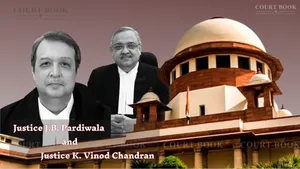
The Division Bench of Justice Manoj Misra and Justice Manmohan, described Section 92 as serving two purposes at once. The court observed:
"The provision thus embodies a delicate balancing act of safeguarding public trust property from mismanagement, while simultaneously shielding the trust from vexatious and malicious litigation. Consequently, it is both a 'protective shield' and a 'remedial sword'."
On the core legal question, the Bench held that leave under Section 92 is not a mere formality but a mandatory pre-condition, in the absence of which no suit can be said to exist. It further observed:
"Until leave is granted, there is no lis before the Court and consequently no jurisdiction to invoke supplemental powers."
Rejecting the argument based on inherent powers under Section 151, the court held that such powers cannot be used to bypass an express statutory safeguard, noting that the special provision contained in Section 92 must prevail over general powers.
At the same time, the Bench was careful not to leave public trusts without any recourse in genuinely urgent situations. It clarified that where facts disclose compelling urgency, courts are not obliged to issue notice to the trust before granting leave itself, though such ex parte leave must be granted only for cogent, recorded reasons, and remains open to challenge later.
Decision
The Supreme Court held that a civil court seized of a Section 92 plaint, along with a leave application, cannot pass protective or preservatory interim orders while that leave application remains pending.
With this clarification on urgent situations, the appeals were dismissed.



-300x169.webp)
-300x169.webp)