

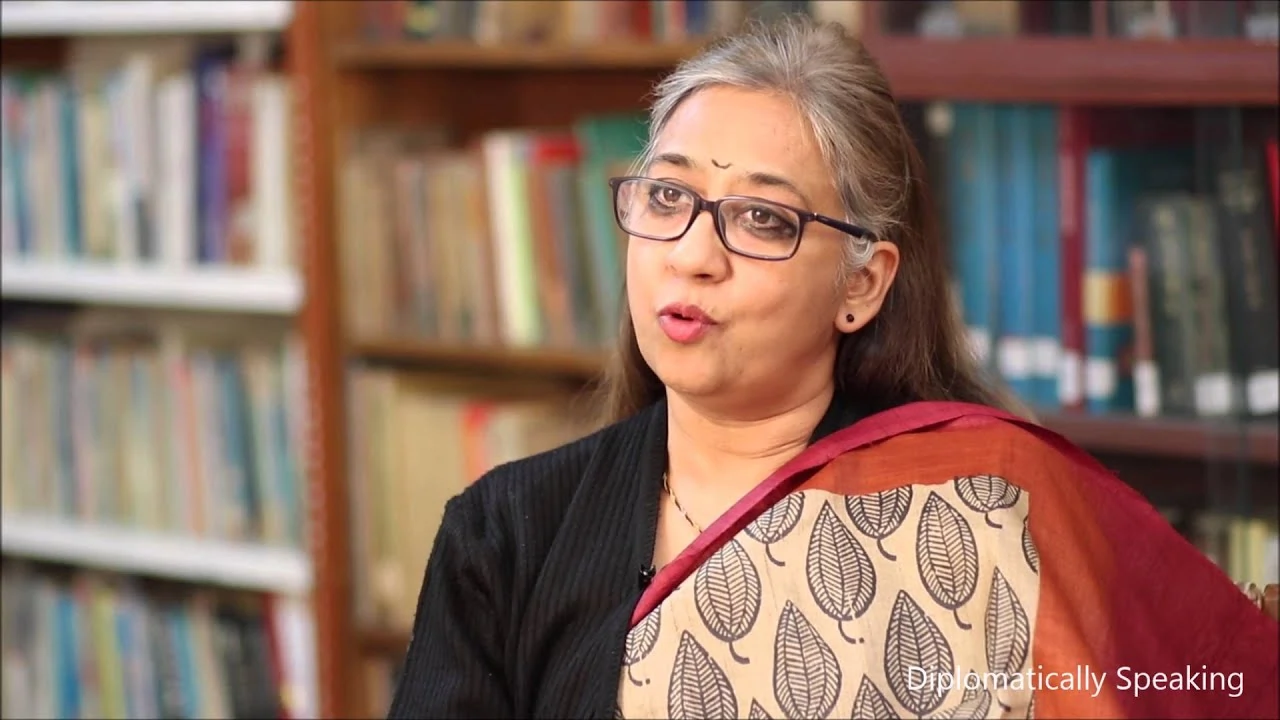
In a sensitive ruling touching both law and human vulnerability, the Delhi High Court has appointed a wife as the legal guardian of her husband who has been lying in a persistent vegetative state since February 2025. The court stepped in after noting that Indian law still does not clearly provide a procedure for guardianship of adults who are neither mentally ill nor legally incapacitated under existing statutes.
The decision was delivered by Justice Sachin Datta on December 31, 2025.
Background of the Case
The petition was filed by Professor Alka Acharya, seeking permission to act as the legal guardian of her husband, Salam Khan, who suffered a massive intracranial haemorrhage earlier this year.
According to the submissions, Mr. Khan collapsed in February 2025 and underwent emergency brain surgery. Despite prolonged treatment at multiple hospitals, his condition never improved. He remains unconscious, bed-bound, dependent on a tracheostomy tube for breathing and a feeding tube for nutrition.
With mounting medical expenses and several bank accounts, investments, and properties standing in Mr. Khan’s name, the family found itself legally helpless. Banks and financial institutions refused to act without formal guardianship orders.
Read also:-Supreme Court Rejects Goregaon Pearl Society's Curative Pleas, Ends Long-Running Housing Dispute
On the court’s directions, a government medical board from G.B. Pant Hospital examined Mr. Khan at his residence. The findings were stark.
The doctors certified that Mr. Khan is in a persistent vegetative state, with 100% disability, incapable of taking any decisions or managing daily affairs.
“The patient is not fit to undertake his daily activities and is also not fit to take any major decisions on his own,” the medical board recorded.
The Sub-Divisional Magistrate (South-West Delhi) was also directed to independently verify the facts. After visiting the residence and examining records, the SDM confirmed the medical condition, family details, and financial disclosures.
Importantly, the couple’s two adult children appeared before the court and submitted affidavits stating they had no objection to their mother being appointed as guardian.
The SDM report noted that there was no conflict of interest, the family was stable, and medical care was being diligently provided.
Court’s Observations
Justice Sachin Datta observed that Indian law currently suffers from a clear gap when it comes to adults lying in comatose or vegetative states.
“The court cannot remain a silent spectator where a person is incapable of making decisions and there exists no statutory mechanism to protect his interests,” the bench noted.
Relying on earlier rulings, the court invoked its parens patriae jurisdiction - a constitutional power that allows courts to act as a guardian for those unable to care for themselves.
The judge emphasized that such jurisdiction is exercised strictly for the welfare of the individual and only in exceptional circumstances.
Read also:-Gujarat High Court Holds Vadodara Municipal Corporation Liable in Fatal Stray Bull Accident
The Decision
After reviewing the medical opinion, SDM report, financial disclosures, and family consent, the High Court allowed the petition.
Professor Alka Acharya was formally appointed as the legal guardian of her husband, Salam Khan.
The court authorized her to take decisions related to:
• Medical treatment and caregiving
• Daily expenses
• Operation of bank accounts and investments
• Management of movable and immovable properties
The petition was disposed of with these directions, bringing long-awaited legal clarity to the family.
Case Title: Professor Alka Acharya v. Government of NCT of Delhi & Ors.
Case No.: W.P.(C) 16793/2025
Case Type: Writ Petition (Guardianship – Parens Patriae Jurisdiction)
Decision Date: 31 December 2025
Download Judgment

