

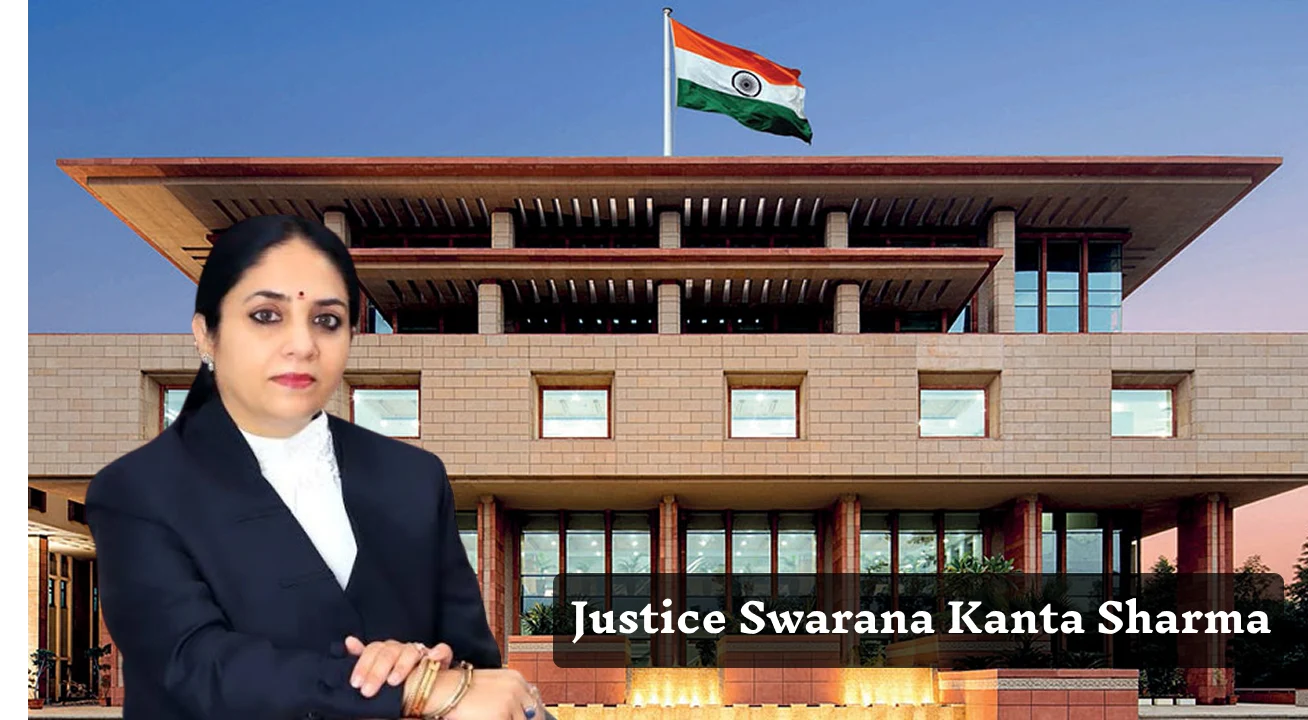
The Delhi High Court has emphasised that trial courts must adopt a child-friendly and sensitive approach while dealing with victims in cases under the Protection of Children from Sexual Offences Act, 2012 (POCSO Act).
In a detailed judgment delivered by Justice Swarana Kanta Sharma, the court observed that repeated summoning of minor victims during trial or bail hearings can cause serious psychological distress and defeat the purpose of protective safeguards under the POCSO law.
The court clarified that while the rights of the accused must be preserved, the criminal process itself should not become a source of further trauma for child victims or other vulnerable witnesses.
Background of the Case
The petition was filed by three minor girls who were victims in a criminal case registered in Delhi. According to the case record, a missing complaint was lodged on 6 August 2022, after which the girls were traced two days later.
During investigation, the minors alleged that they had been sexually assaulted and threatened by several accused persons over a period of two days. Based on their statements, the police added serious charges including rape, trafficking, criminal intimidation and offences under the POCSO Act.
During the course of the trial before the POCSO court, the victims were repeatedly summoned for recording their evidence. One of the minor victims was summoned nine times, while the other two were summoned four and six times respectively before their testimony was completed.
The trial court had also issued bailable warrants against one of the minor victims after rejecting her exemption request. The High Court earlier set aside that warrant in May 2025 and later examined broader issues relating to the treatment of child witnesses in POCSO trials.
Counsel for the petitioners argued that repeated court appearances had caused severe emotional distress to the minor victims.
They submitted that the POCSO Act requires courts to adopt procedures that avoid repeated summoning of children and ensure their evidence is recorded quickly and sensitively.
The petitioners also suggested procedural reforms, including:
• fixing pre-scheduled dates for examination and cross-examination of child witnesses,
• completing testimony within a short time frame,
• allowing video-conferencing for cross-examination where adjournments delay proceedings, and
• avoiding the presence of child victims during bail hearings when they are represented through counsel.
The court was assisted by amicus curiae Prachi Dubey, who highlighted the need for stronger implementation of safeguards and recommended greater use of Vulnerable Witness Deposition Centres (VWDCs) to record testimony through secure video links.
The High Court emphasised that the criminal justice system must recognise that victims of sexual offences and children are “vulnerable witnesses” who require special protection during trial.
The court noted several important legal principles:
1. Child victims should not be repeatedly called to testify
The POCSO Act specifically requires courts to ensure that children are not repeatedly summoned to narrate traumatic incidents.2. Testimony should be recorded promptly
Evidence of a child victim should ideally be recorded within 30 days of cognizance, and trials should be completed as far as possible within one year.3. Video-conferencing can be used to protect victims
Courts may record testimony through video links or protective devices such as screens and mirrors to ensure that the child does not face the accused directly.4. Victims should not be repeatedly called during bail hearings
Once a victim’s views on bail are recorded, their repeated physical or virtual presence should not be insisted upon, as it may cause psychological harm.The court stressed that the objective is to balance the accused’s right to a fair trial with the dignity and mental well-being of the victim.
The Delhi High Court concluded that existing legal provisions and judicial guidelines already provide adequate safeguards for vulnerable witnesses.
However, the court emphasised that trial courts must strictly follow these safeguards, particularly:
• avoiding repeated summoning of child victims,
• recording testimony in a structured and time-bound manner,
• using video-conferencing where appropriate, and
• minimising the victim’s interaction with the accused during proceedings.
To ensure better compliance, the court directed that the judgment be circulated to all trial courts and special courts in Delhi for guidance.
Case Title: Minor Child K & Ors. v. State (NCT of Delhi) & Ors.
Case Number: CRL.M.C. 3880/2025
Decision Date: 11 March 2026
Download Judgment

