

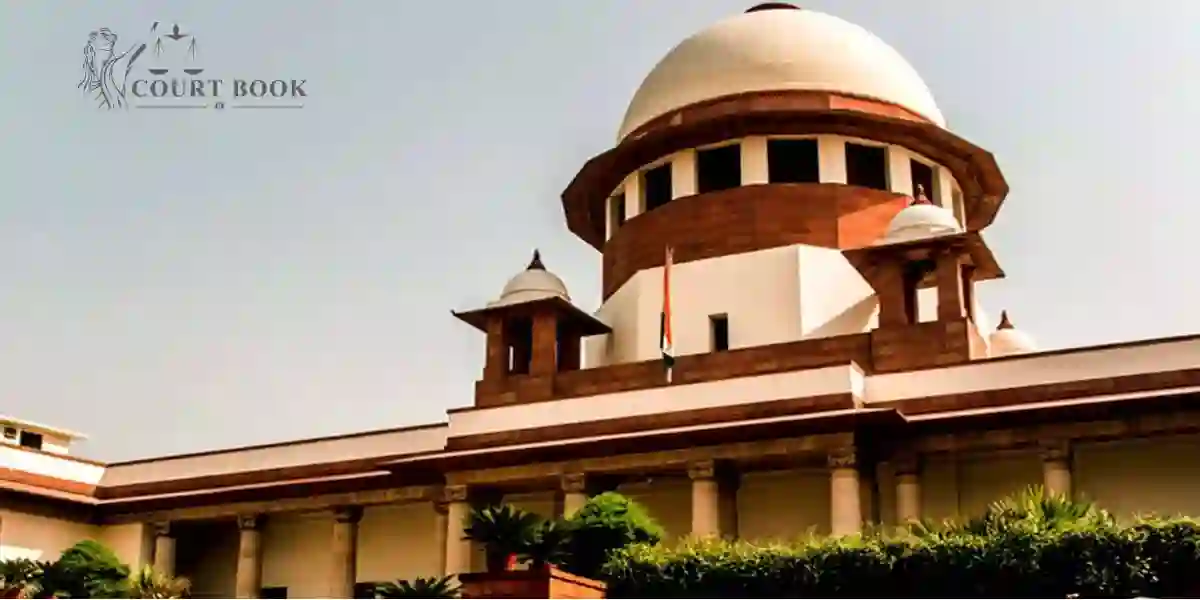
The Supreme Court declined to frame new criminal laws or expand existing offences. The Court made it clear that law-making remains the exclusive domain of Parliament, even in sensitive matters like hate speech regulation.
Background of the Case
The batch of petitions, led by Ashwini Kumar Upadhyay, sought wide-ranging directions against the Union Government. Petitioners raised concerns over increasing incidents of hate speech, especially during the COVID-19 period, where certain communities were allegedly targeted.
They urged the Court to:
• Direct the government to enact stricter laws on hate speech and rumour-mongering
• Implement recommendations of the Law Commission’s 267th Report
• Ensure stronger enforcement, including mandatory FIR registration and investigation
Several petitions also complained about media reporting, communal narratives, and lack of police action in specific instances.
Read also:- Telangana High Court Grants ₹8 Lakh Compensation in Train Fall Death, Sets Aside Tribunal Rejection
The Supreme Court identified key legal questions:
• Can courts create or expand criminal offences without legislation?
• Is there a legal vacuum in hate speech laws?
• Are existing legal remedies sufficient, especially for non-registration of FIRs?
• Whether continuous court monitoring (continuing mandamus) is required?
The bench, led by Justice Vikram Nath, firmly held that courts cannot create criminal offences.
“The courts neither create offences nor legislate punishments. That is the function of the legislature,” the bench observed.
The Court emphasized the constitutional principle of separation of powers, stating that each organ-legislature, executive, and judiciary-must function within its defined limits.
It clarified that judicial directions like those in earlier cases (such as guidelines in absence of law) apply only where there is a complete legal vacuum-not where laws already exist.
Rejecting the argument of a legislative gap, the Court held that Indian law already contains multiple provisions dealing with hate speech.
“The field is not unoccupied… the criminal law already contains several provisions to address such offences,” the Court noted.
It pointed to provisions under criminal law that penalize:
• Promotion of enmity
• Outraging religious feelings
• Acts disturbing public order
The Court said the issue lies more in implementation, not absence of law.
Read also:- Big Relief for ISRO Daily Wage Workers: Supreme Court Orders Permanent Status
While acknowledging concerns raised by petitioners, the bench indicated that lapses in enforcement cannot justify judicial overreach.
“Difficulties in enforcement… cannot furnish a ground for the Court to assume the legislative function,” it observed.
The Court also reiterated that remedies already exist within the legal framework, including:
• Police complaints
• Statutory remedies for non-registration of FIRs
• Constitutional remedies where needed
The Court categorically refused to issue directions to the government to enact a new law.
“No constitutional court can issue a writ of mandamus to the legislature to enact a law,” the judgment stated.
At best, courts can recommend or highlight the need for legislative action, but cannot compel it.
The Supreme Court declined to grant the reliefs sought by the petitioners seeking new legislation or expanded criminal provisions on hate speech.
It held that:
• Courts cannot create or expand criminal offences
• Existing legal framework on hate speech is sufficient
• Issues raised relate primarily to enforcement, not absence of law
• No directions can be issued to Parliament to legislate
Case Details
Case Title: Ashwini Kumar Upadhyay v. Union of India & Ors.
Case Number: W.P.(C) No. 943 of 2021 & connected matters
Judge: Justice Vikram Nath and Sandeep Metha
Decision Date: APRIL 29, 2026
Download Judgment

