

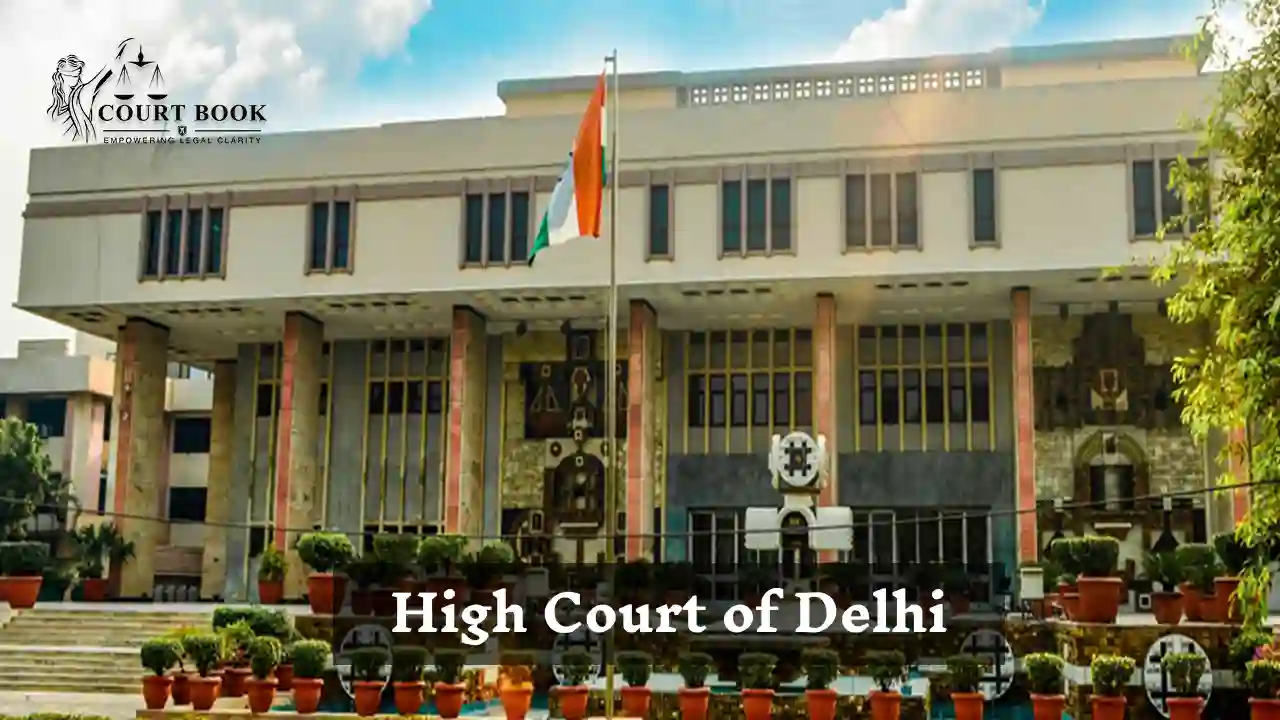
The courtroom was calm but attentive on Friday as the Delhi High Court wrapped up a closely watched dispute over who really controls a well-known public charitable trust. By the end of the hearing, the message from the Bench was fairly clear: technical objections should not be used to shut the door on a full trial, especially where trust property and management are in question.
हिंदी में पढ़ें
A Division Bench of the Delhi High Court dismissed an appeal filed by a group of individuals claiming to be trustees of the T. Choithram Foundation, thereby allowing the trust’s civil suit to continue.
Background
The dispute traces its roots to the T. Choithram Foundation, a public charitable trust created in 1971. The foundation approached the civil court in 2021, alleging that several individuals had been wrongly appointed as trustees over the years, in violation of the trust deed.
Read also:-Himachal Pradesh High Court Upholds Bus Driver’s Acquittal, Says Mechanical Brake Failure Ruled Out Rash Driving Allegations in 2007
According to the trust, these appointments - some going back to the 1990s - were invalid from the start. The suit sought declarations that the defendants were not lawful trustees and asked the court to restrain them from interfering with trust affairs.
The defendants responded by asking the court to reject the case outright. Their argument was twofold. First, they said the suit could not proceed without prior court permission under Section 92 of the Civil Procedure Code, a provision meant for disputes involving public trusts. Second, they claimed the case was hopelessly late, as the trust allegedly knew about the appointments decades ago.
Read also:-Jharkhand High Court Grants Final Surrender Window to Sourav Bardhan in ED Case, Modifies Earlier Bail Order Citing Supreme Court Law
Court’s Observations
Hearing the appeal against a single judge’s refusal to dismiss the suit, the Bench reminded both sides that rejecting a plaint at the threshold is a serious step. “The power to reject a plaint is drastic,” the court observed, noting that such an order ends the case without evidence or trial.
On Section 92, the judges were not convinced by the appellants’ argument. The Bench observed that the suit was not filed by outsiders or beneficiaries seeking court control over the trust’s administration. Instead, it was brought by the trust itself, claiming that certain people had usurped positions without authority.
As the court put it, a suit to protect trust property from alleged usurpers does not automatically become a Section 92 case. “Section 92 is a shield for the trust, not a weapon for alleged wrongdoers,” the Bench remarked, adding that the absence of prior permission, even if required, was at best a curable defect.
Read also:-Supreme Court steps in Punjab fraud case, issues notice and grants interim bail protection to Harjit Kaur against possible arrest
On limitation, the court said the issue could not be decided by merely reading dates off the pleadings. The trust had alleged a “continuing wrong”, meaning that every day of unlawful control gave rise to a fresh cause of action. Whether that claim holds water would require evidence. “This is a mixed question of fact and law,” the court noted, and not something to be settled at the entry gate.
Decision
In the end, the Division Bench found no reason to interfere with the earlier order. The appeal was dismissed, the impugned order upheld, and the civil suit was directed to proceed in accordance with law. All pending applications were closed, clearing the path for a full trial on the merits of the trust’s allegations.
Case Title: Satish Motiani & Ors vs T. Choithram Foundation & Ors
Case No.: FAO(OS) 150/2025 (with connected applications)
Case Type: Civil Appeal (against refusal to reject plaint)
Decision Date: 20 December 2025


