In a significant ruling on election law procedure, the Jammu & Kashmir and Ladakh High Court clarified that election petitions must be confined strictly to contesting candidates. The Court ordered removal of government officials who had been wrongly added as parties.
Background of the Case
The case arose from an election petition filed by Harsh Dev Singh, where, apart from contesting candidates, several officials and officers were also impleaded as respondents. The petitioner alleged irregularities and impropriety against these individuals.
Counsel for one of the respondents objected, arguing that under Section 82 of the Representation of the People Act, 1951, only contesting candidates can be made parties to an election petition. They relied on Supreme Court precedents to support their claim.
On the other side, the petitioner’s counsel argued that since election petitions follow civil procedure rules, all necessary and proper parties-including officials accused of wrongdoing-should be included.
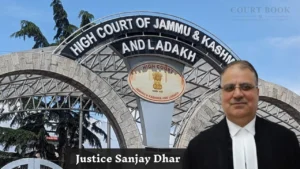
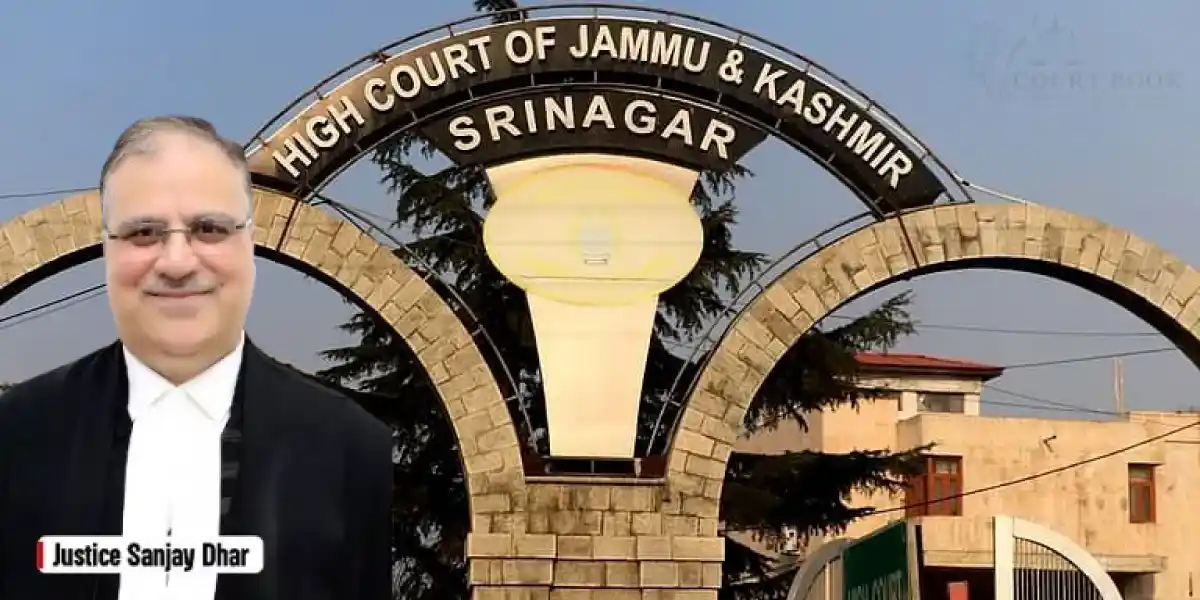
Justice Sanjay Dhar examined the statutory framework and relevant Supreme Court rulings in detail. The Court emphasized that the law governing election petitions is specific and overrides general civil procedure principles.
“The contest of an election petition is designed to be confined to the candidates at the election. All others are excluded,” the Court noted, relying on established precedent.
The Court further clarified that while the Civil Procedure Code applies, it does so only “subject to” the provisions of the Representation of the People Act. This means broader concepts like “proper parties” cannot be introduced where the statute clearly restricts who may be included.
Addressing the argument about corrupt practices, the Court explained that individuals other than candidates can be named later under Section 99-but only after trial and after being given an opportunity to respond.
“Mere allegations do not make such persons necessary parties at the stage of filing the petition,” the bench observed.
The Court held that there was a clear misjoinder of parties, as officials and officers (respondents No. 1 to 9) were improperly included in the petition.
However, instead of dismissing the petition, the Court followed Supreme Court guidance and directed that these respondents be removed from the case.
Accordingly, the High Court ordered deletion of respondents No. 1 to 9 from the array of parties and directed the petitioner to file an amended petition before the next hearing date.
Case Details:
Case Title: Harsh Dev Singh vs UT of J&K & Ors
Case Number: EP No. 1/2024
Judge: Justice Sanjay Dhar
Decision Date: 20 April 2026
Download Judgment