

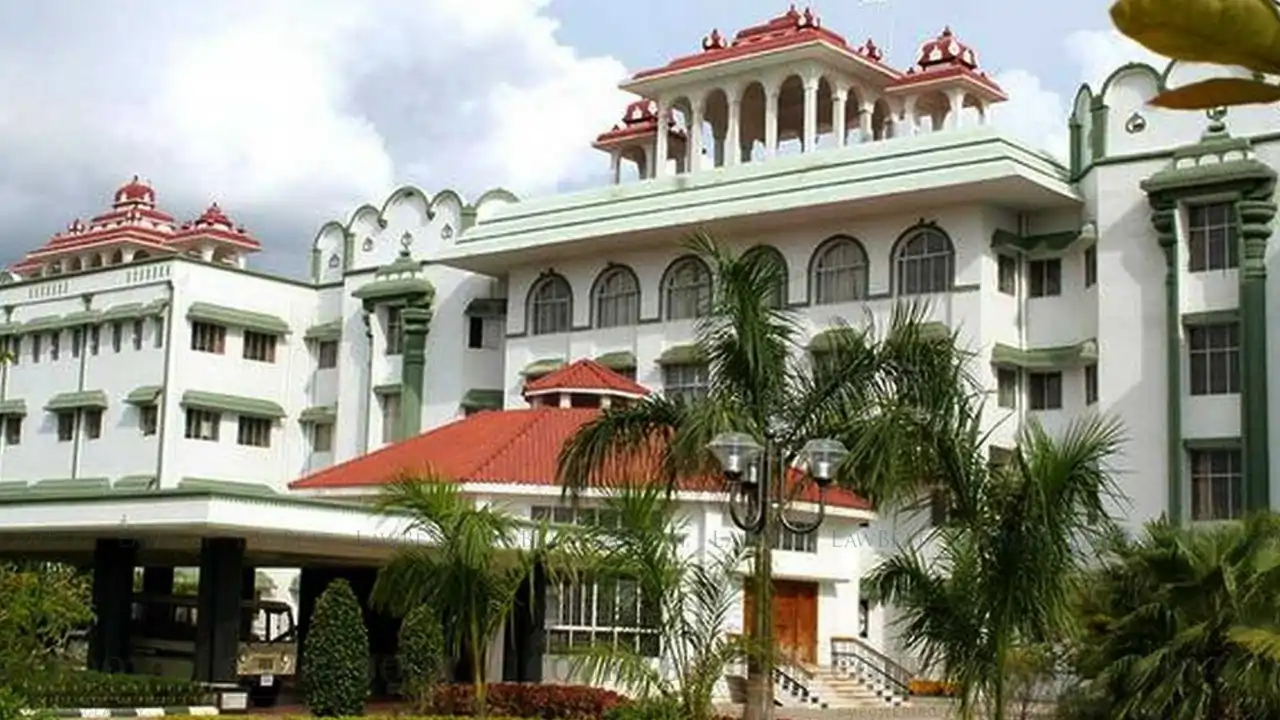
The Madurai Bench of the Madras High Court has refused anticipatory bail to three accused in a case involving an alleged attack on a college bus carrying girl students. The court noted the seriousness of the allegations and emphasised the need for custodial interrogation to ensure a proper investigation.
Background of the Case
The case arises from an incident dated March 5, 2026, near Alangulam village in Madurai district. According to the prosecution, a college bus carrying around 25 girl students was stopped by a group participating in a funeral procession. The accused were alleged to be under the influence of alcohol and reportedly blocked the vehicle, used abusive language, and assaulted the driver using objects like helmets and footwear. Damage to the bus was also reported.
The petitioners, however, argued that the situation had been exaggerated. Their counsel submitted that the bus attempted to pass through the funeral procession, which triggered a reaction. They denied the severity of the allegations and sought protection from arrest through anticipatory bail.
Justice K.K. Ramakrishnan, after hearing both sides, observed that the allegations disclosed a serious incident affecting public safety. The court noted that a vehicle carrying students was allegedly obstructed and its occupants subjected to intimidation and abuse.
“The act of assaulting the driver and damaging the vehicle… cannot be viewed lightly,” the court observed, pointing to the potential risk posed to public order.
The judge also remarked that participation in a funeral procession, while culturally significant, does not give individuals the right to endanger others or disrupt public peace. The material on record, the court said, suggested that the conduct was not trivial and involved broader concerns of safety.
Beyond the bail issue, the court took note of recurring incidents of disorderly behaviour during funeral processions. It referred to earlier proceedings and materials showing how such processions have sometimes led to road obstructions, accidents, and public inconvenience.
The court highlighted instances where garlands thrown on roads caused accidents, including a fatal one described in documents placed before it. It also noted existing police guidelines aimed at regulating such processions, including prior intimation to authorities, traffic management, and restrictions on throwing objects on roads.
Despite these measures, the court observed that violations continue, posing risks to the public.
Refusing anticipatory bail, the court held that custodial interrogation was necessary for effective investigation and declined to grant relief to the petitioners.
In addition, the court directed the Chief Secretary of Tamil Nadu to examine the need for a proper legal framework to regulate funeral processions, including possible penal provisions, while balancing the right to perform last rites. A report has been sought by July 31, 2026.
Case Details:
Case Title: K. Shankar & Ors. vs State
Case Number: Crl.O.P (MD) No. 5267 of 2026
Judge: Justice K.K. Ramakrishnan
Decision Date: 20 April 2026
Download Order

