

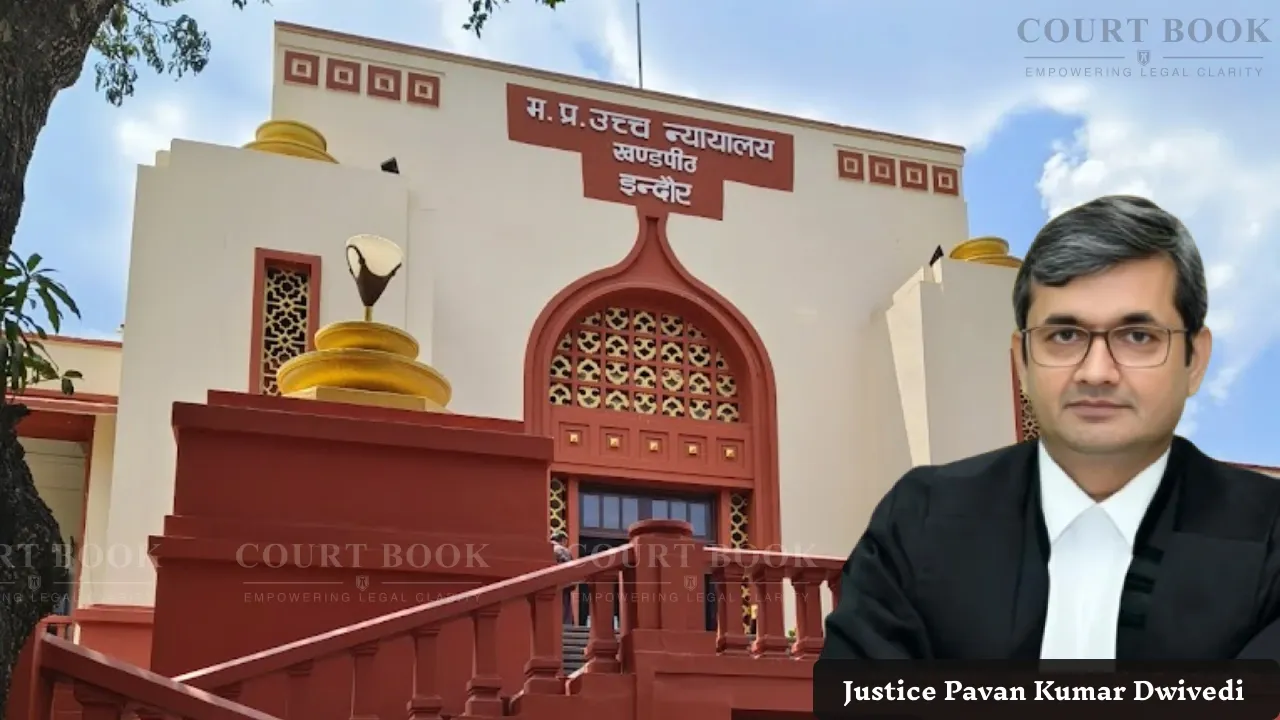
The Madhya Pradesh High Court at Indore has dismissed a long-pending first appeal arising from a family property dispute in Ratlam district, affirming a trial court's decision that had declared a disputed sale deed void and recognized the plaintiffs' rights over the land.
Justice Pavan Kumar Dwivedi held that the defendants failed to prove the will on which their claim of exclusive ownership was based, leaving the property to devolve through natural succession among the legal heirs.
Background of the Case
The dispute concerned agricultural land bearing Survey No. 160 in village Badawda, Tehsil Jaora, District Ratlam. The plaintiffs claimed that the property originally belonged to their grandfather, Kashiram, and that after his death, it devolved upon the family members. They alleged that one of the brothers later executed a sale deed in 1998 in favour of another defendant despite having no exclusive title over the land.
The plaintiffs approached the trial court seeking a declaration of title and possession, along with cancellation of the sale deed. The trial court ruled in their favour in 2008, prompting the present appeal.
One of the principal arguments before the High Court was that the disputed property had not been properly identified. The Court rejected this contention after examining the pleadings and records.
The Court noted that the land had been described in detail in the suit and that the defendants themselves had acknowledged features such as the well and house situated on the property. The bench observed that the identity of the land was never genuinely disputed during the trial.
On the issue of possession, the Court found no reason to interfere with the trial court's findings. It referred to evidence including electricity records and witness testimony supporting the plaintiffs' possession of the property.
A central issue was the defendants' claim that Kashiram had executed a will in favour of one defendant, giving him exclusive ownership of the property.
Justice Dwivedi emphasized that a will must be proved in accordance with law. The Court noted that the original will was not produced and that none of the attesting witnesses had been examined.
“The entire basis of the title of the defendant No. 2 rests upon the will,” the Court observed while holding that the burden of proving its valid execution rested on the defendants.
Since the will was not proved, the Court held that the ordinary rules of inheritance would apply and the property would devolve upon all legal heirs in equal shares.
Concluding that the defendants failed to establish exclusive ownership over the disputed property, the High Court upheld the trial court's decree declaring the 1998 sale deed null and void.
“For the aforesaid reasons and analysis, the appeal is bereft of merits and the same is dismissed,” the Court said while affirming all findings recorded by the trial court.
The appeal was accordingly dismissed, and the judgment and decree in favour of the plaintiffs were affirmed.
Case Details
Case Title: Rajendra Kumar & Others v. Dindayal Khatik & Others
Case Number: First Appeal No. 497 of 2008
Judge: Justice Pavan Kumar Dwivedi
Decision Date: June 15, 2026


