

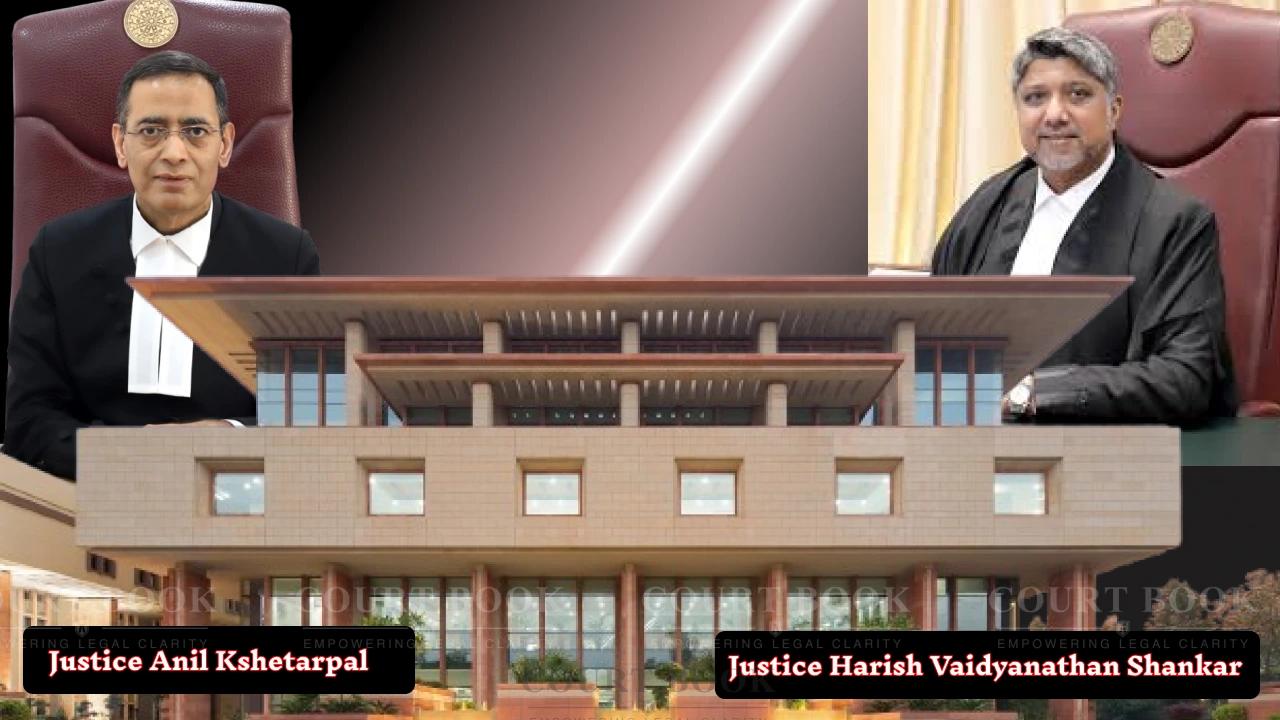
After nearly two decades of bitter litigation between two brothers, the Delhi High Court has upheld the original owner’s right over a residential property in West Delhi’s Vishal Enclave. Dismissing a clutch of cross-appeals, the court ruled that long occupation, emotional claims, or alleged family understandings cannot override clear title documents.
The dispute revolved around who truly owned different floors of a three-storey house - and whether family ties could defeat registered ownership.
Background of the Case
The case concerned property No. A-8, Vishal Enclave, New Delhi, originally acquired through an auction conducted by the Municipal Corporation of Delhi in 1970. The property stood in the name of Rajinder Kumar Sethi, who later converted it from leasehold to freehold.
Read also:- Supreme Court Upholds Cancellation of UP Govt Job for False Criminal Disclosure, Says Honesty Non-Negotiable


His elder brother, Sandeep Sethi, had been residing on the first floor and parts of the second floor for several years. According to the plaintiff, this occupation was purely permissive - allowed out of “natural love and affection” - and never meant to create ownership rights.
In 2006, when the licence to occupy was revoked, the brother refused to vacate. This triggered a civil suit for possession, damages, and mesne profits. The defendant countered by claiming that the house was built using joint family funds and that a long-standing family arrangement made him the owner of the upper floors.
A single judge of the High Court decreed the suit in 2016, ordering eviction and awarding damages. Both sides challenged that ruling, leading to the present appeals.
Read also:- Delhi HC Orders Removal of Bhuvan Bam’s Images, Refuses Early Finding on Personality Rights
What the Court Examined
The Division Bench closely examined decades of documents, witness testimony, and competing narratives about family arrangements and financial contributions.
The judges focused on three key questions:
• Who legally owned the property?
• Was there any proved family settlement giving ownership rights to the occupying brother?
• Could permissive occupation mature into ownership or adverse possession?
Court’s Observations
On ownership, the Bench Justice Anil Kshetarpal and Justice Harish Vaidyanathan Shankar found the documentary trail unmistakable. The perpetual lease deed, conveyance deed, house tax records, sanctioned building plans, and municipal documents all stood in the plaintiff’s name.
Read also:- Rajasthan HC Quashes 21-Year Minimum Age for Contractual ANM Hiring, Restores 18-Year Eligibility Rule
“The plaintiff has conclusively proved his title by unimpeachable documentary evidence,” the bench observed, noting that the defendants failed to produce even a single title document in their favour.
The court rejected the claim that the property was bought using joint family or joint business funds. It pointed out that mere assertions of “joint funds” cannot defeat registered ownership without clear financial records.
Importantly, the judges held that the existence of a joint family does not automatically make every property joint in nature. There must be proof of a joint family nucleus capable of funding the purchase - which was entirely absent in this case.
Read also:- Supreme Court Backs Decree Holder, Clears Way for Possession Despite Decades-Old Property Transfers
Alleged Family Settlement Rejected
The defendant’s reliance on alleged oral family settlements from the 1970s and 1980s did not impress the court.
“No contemporaneous document, no clear terms, and no evidence of implementation were placed on record,” the judgment noted. The court found it telling that no legal action was ever taken for decades to enforce these alleged arrangements.
An unproven oral family settlement, the bench made clear, cannot override registered title documents.
Licence, Not Ownership
The court also dealt firmly with the argument of long possession. It held that permissive occupation amounts to a licence, and once revoked, the licensee is legally bound to vacate.
“A licensee must surrender possession upon termination of the licence and cannot set up a title in himself,” the bench observed.
Read also:- MP High Court orders removal of 102 viral court clips, warns against misuse of live-streamed hearings
Since the licence was revoked in October 2006 and the suit was filed promptly thereafter, the plea of adverse possession was rejected outright.
Benami Law Applies
The judges further held that the defence claiming the plaintiff was holding the property on behalf of the family was barred by the Prohibition of Benami Property Transactions Act.
The court said vague references to fiduciary relationships or trust cannot bypass the statutory bar. Allowing such defences, it warned, would undermine the very purpose of the law.
Decision
Dismissing all the appeals, the Delhi High Court upheld the 2016 decree in full. The defendants were directed to hand over possession of the disputed portions of the Vishal Enclave property. The award of damages and mesne profits in favour of the plaintiff was also affirmed.
With this ruling, the court brought a long-running family property battle to a legal close, reinforcing that clear ownership documents prevail over emotional claims and unproven family arrangements.
Case Title:- Sandeep Sethi & Anr. v. Rajinder Kumar Sethi (Deceased) Through LRs
Download Judgment


