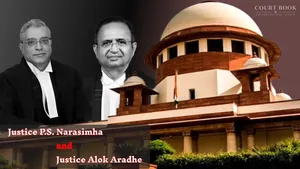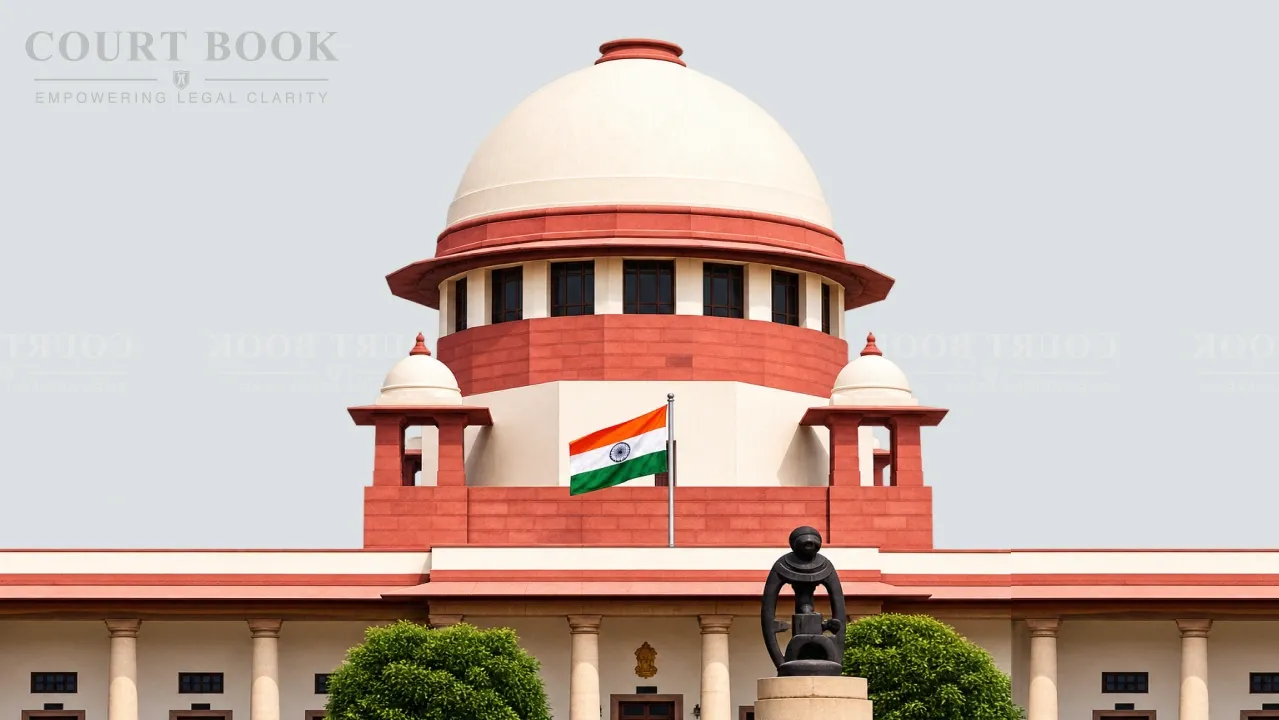
The Supreme Court on September 24, dismissed the challenge to the election of AIMIM’s Mufti Mohammad Ismail Abdul Khalique from Maharashtra’s Malegaon Central Assembly constituency, upholding the Bombay High Court’s decision in his favour. A Bench of Justices Vikram Nath, Augustine George Masih and Sandeep Mehta heard the matter.
Background
The dispute arose from the 2024 Maharashtra Assembly election, where Khalique secured 1,09,653 votes against Asif Shaikh Rasheed’s 1,09,491 votes, winning by 162 votes. Shaan E Hind Nihal Ahmed, who contested from the Samajwadi Party, secured 9,624 votes.
The election challenge alleged several instances of religious references during the campaign, including prayers or “dua” for electoral success and responses of “Amen” from people present. It was argued that these acts amounted to an appeal based on religion and constituted a corrupt practice under the Representation of the People Act, 1951.
The Bombay High Court rejected the election petition on June 8, 2026. It held that the pleadings did not establish the necessary material facts to sustain the allegations and specifically examined whether saying dua for electoral success could amount to an appeal for votes on religious grounds.
The High Court drew a distinction between agreeing with a prayer and making a formal pledge to vote. It observed:
“It, thus, becomes explicitly clear that, by saying Amen, the person can be said to have agreed with or seconded the prayer for the electoral success of the Respondent No.1. However, saying Amen is materially distinct from making the pledge, which is in the nature of a formal promise or undertaking.”
The Court further held:
“As indicated above, the act of saying Dua (prayer) and the response thereto by ‘Amen’ does not amount to pledge. As the Dua is essentially a form of the communication by the believer with the God, saying prayer for success in the election neither amounts to exercise of undue influence nor soliciting votes in the name of the religion.”
The challenge before the Supreme Court questioned the High Court’s rejection of the election petition. After hearing the matter, the three-judge Bench dismissed the appeal on September 24, leaving the High Court’s judgment undisturbed.
The Supreme Court dismissed the appeal challenging Mufti Mohammad Ismail Abdul Khalique’s election from Malegaon Central, thereby leaving the Bombay High Court’s June 8, 2026 judgment in force.




-300x169.webp)