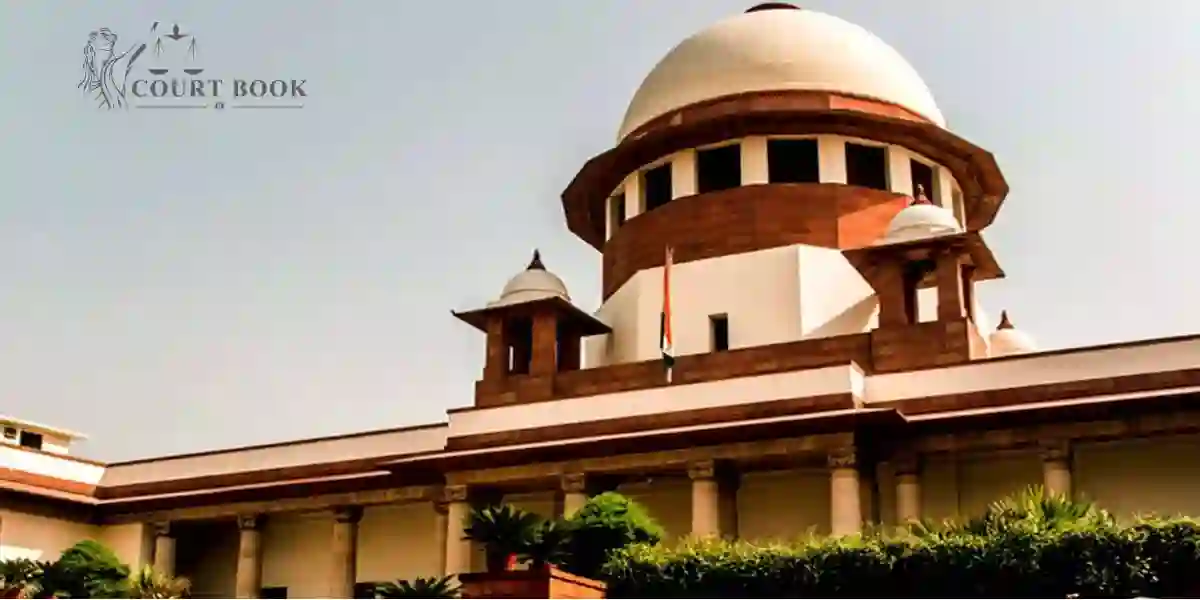
The Supreme Court has ruled that merely using the word “can” in an arbitration clause does not make arbitration compulsory between parties. Dismissing an appeal filed by Nagreeeka Indcon Products Pvt. Ltd., the Court held that such wording only leaves arbitration as a possible option, not a binding commitment.
Background of the Case
Nagreeeka Indcon, a manufacturer of aluminium foil containers and kitchen rolls, had engaged Cargocare Logistics for shipment of goods to the United States. A dispute arose over delivery of the fifth container after the consignee allegedly failed to pay and did not produce the original bill of lading at the time of delivery.
Nagreeeka claimed financial loss and later sought arbitration under Clause 25 of the bill of lading, which stated that disputes “can be settled by arbitration in India or a place mutually agreed.”
When the logistics company opposed arbitration, Nagreeeka moved the Bombay High Court for appointment of an arbitrator. The High Court rejected the request, leading to the appeal before the Supreme Court.
The bench closely examined the wording of the clause and emphasized that contract terms must be understood according to the language chosen by the parties.
Read also:- Supreme Court Restores Subsidy Relief to Deesa APMC, Orders Full Payment in Cold Storage Scheme Dispute
Justice Sanjay Karol, writing for the bench, noted that the word “can” generally indicates possibility or capability, unlike “shall,” which usually creates a mandatory obligation.
The Court observed that arbitration depends on mutual consent of parties. It said courts cannot compel parties to arbitrate when they have not clearly agreed to make arbitration the exclusive dispute resolution mechanism.
Referring to earlier precedents, the bench stated that clauses which merely suggest parties “may” or “can” choose arbitration in future are not enforceable arbitration agreements.
“The clause… indicates merely the future possibility of referring disputes to arbitration,” the Court held.
Upholding the Bombay High Court’s view, the Supreme Court concluded that Clause 25 did not create a binding arbitration agreement. Since further consent of both parties would be required before arbitration could begin, the appellant could not seek appointment of an arbitrator through court.
The appeal was dismissed, and all pending applications were disposed of.
Case Details
Case Title: Nagreeeka Indcon Products Pvt. Ltd. v. Cargocare Logistics (India) Pvt. Ltd.
Case Number: Civil Appeal arising out of SLP (Civil) No. 19026 of 2023
Judge: Justice Sanjay Karol and Justice Nongmeikapam Kotiswar Singh
Decision Date: 17 April 2026
Download Judgment



-300x169.webp)
-300x169.webp)