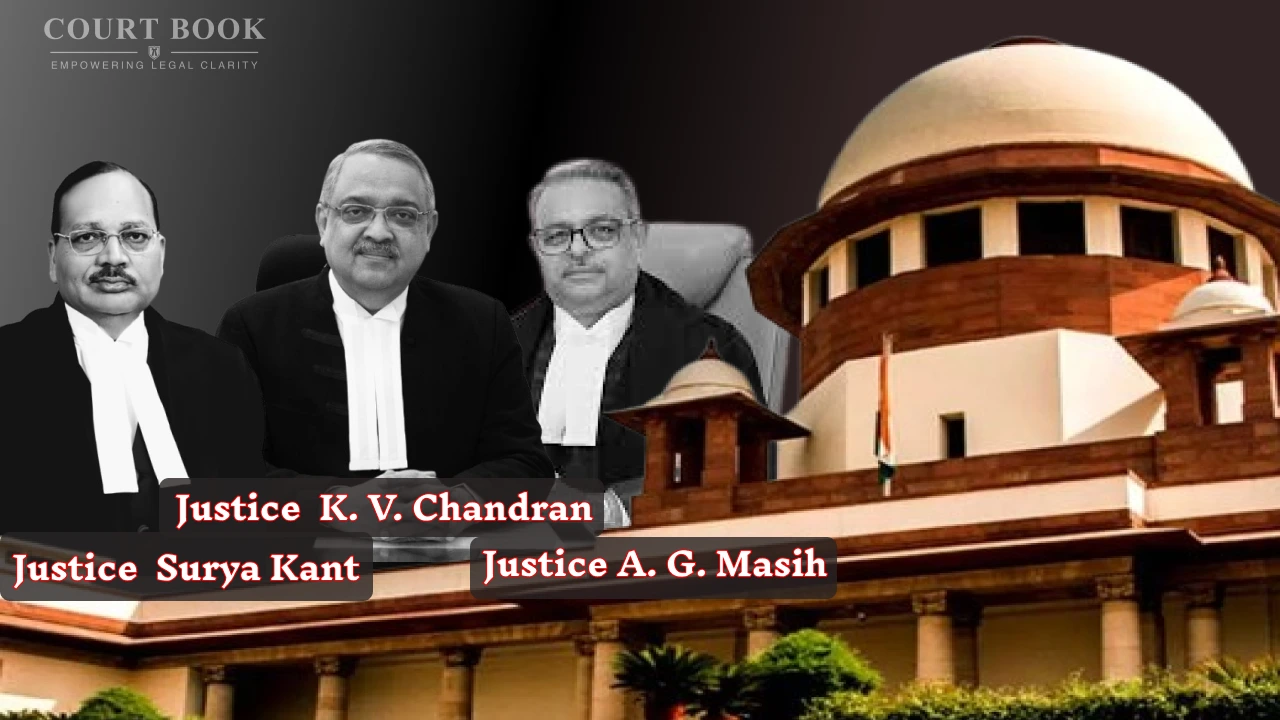
The Supreme Court of India on Friday 13 March witnessed a sharp exchange of views among judges while hearing review petitions on the mandatory three-year legal practice requirement for candidates aspiring to become Civil Judges (Junior Division). While some judges stressed the importance of courtroom experience before entering the judiciary, others warned that the rule could discourage talented young law graduates from joining the judicial service.
During the hearing, the Bench directed all High Courts and States to extend the last date for applications for ongoing judicial service recruitments until April 30, 2026, to ensure that no candidate is unfairly excluded during the transition.
Background of the Case
The dispute arises from the Supreme Court’s May 20, 2025 judgment in All India Judges Association v. Union of India, which restored the rule requiring three years of practice as an advocate before appearing for entry-level judicial service exams.
The rule had earlier been removed in 2002 following recommendations of the Shetty Commission, allowing fresh law graduates to directly compete for judicial posts. The restored condition triggered review petitions from aspirants and legal experts who argued that it delays entry into the judiciary and affects several groups, including women and candidates from disadvantaged backgrounds.
Courtroom Debate: Experience vs Fresh Talent
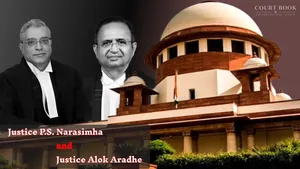
The Bench comprising Justices Surya Kant, K. Vinod Chandran, and Augustine George Masih showed differing perspectives on how the rule should be implemented.
Justice Chandran strongly defended the requirement, pointing to the growing influence of coaching centres in judicial examinations.
“The entire thing is about coaching centres. We have interviewed judges and seen the system closely,” he remarked, adding that courtroom exposure helps develop maturity before entering the bench.
Chief Justice Surya Kant, however, expressed concern about losing promising law graduates to corporate careers.
“Today, if you don’t pick up meritorious people, then God knows what people will you have for another 20-40 years,” the CJI observed.
Read also:- Calcutta High Court Enhances Compensation for Parents Who Lost Two Sons in 2015 Road Accident
He also questioned whether merely spending time in courtrooms for three years would necessarily improve adjudicatory skills, suggesting that structured training might also play a role.
Senior Advocate Siddharth Bhatnagar, assisting the Court as amicus curiae, presented multiple suggestions. These included retaining the rule uniformly, introducing a phased implementation, or allowing limited relaxations for women and persons with disabilities.
However, the Chief Justice indicated that such category-based relaxations might not be practical.
Read also:- J&K High Court Quashes Drug Case Against Pharma MD After Delay Denied Right to Retest Sample Before Expiry
Several High Courts, including those in Delhi and Jammu & Kashmir, supported maintaining the three-year requirement, arguing that prior litigation experience is essential for effective judicial functioning.
After considering the submissions, the Supreme Court directed all High Courts to extend the deadline for applications for Civil Judge (Junior Division) posts to April 30, 2026, including in recruitments that have already been advertised.
The Bench declined requests to suspend the three-year practice requirement for now and stated that the review petitions will be taken up for further hearing next week.
Case Title:– Bhumika Trust v. Union of India and connected cases
Case no.:– W.P.(C) No. 001110 / 2025 and connected cases



-300x169.webp)


-300x169.webp)
-300x169.webp)