

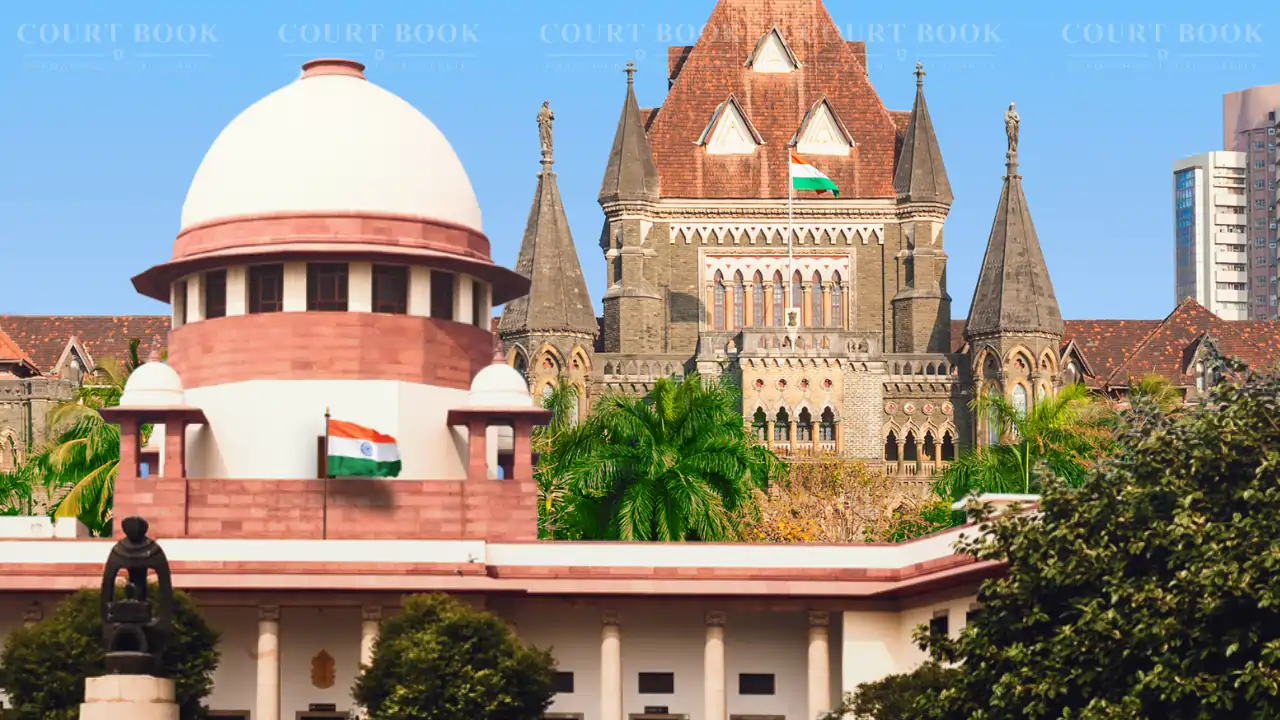
In a hearing that moved at a steady but emotionally charged pace, the Supreme Court on Wednesday set aside the Bombay High Court’s order sentencing former Seawoods Estates director, Vineeta Srinandan, to one week’s simple imprisonment for criminal contempt. The Bench, led by Justice Vikram Nath, appeared keen on drawing a clear line between punishing contempt and recognising genuine remorse-something the judges repeatedly returned to during the session.
हिंदी में पढ़ें
Background
The case stemmed from a sharply worded circular issued by Srinandan on 29 January 2025, criticising what she described as a “dog feeders’ mafia” allegedly protected by the judiciary. The circular went so far as to suggest that judges shared sympathies with this group and refused to consider evidence of dog attacks. Naturally, this invited the High Court’s attention, and it initiated suo motu contempt proceedings. The High Court concluded that the circular scandalised the judiciary and imposed a week’s imprisonment along with a ₹2,000 fine.
Read also:-Allahabad High Court Flags Faulty Trap Procedures While Granting Bail to Labour Officer Accused
During the Supreme Court hearing, the context surfaced again: Srinandan had already resigned from her director post and filed an affidavit expressing what she called unconditional remorse. Whether that remorse was genuine became the central question.
Court’s Observations
The Bench acknowledged upfront that the circular did amount to criminal contempt-its language was undeniably harsh and could lower public confidence in the courts. But the judges took a measured pause before adopting the High Court’s stance on punishment.
Justice Nath remarked at one point, “The power to punish carries within it the power to forgive,” a sentiment that set the tone for the verdict. The bench observed, “Mercy must remain an integral part of judicial conscience.”
Read also:-Supreme Court stays Allahabad High Court order in sensitive POCSO matter, questions absence
The Court faulted the High Court for discarding Srinandan’s apology too quickly. Although the lower court believed her remorse was mechanical, the Supreme Court disagreed, saying there was nothing on record to suggest her apology lacked sincerity. The judges explained that Section 12 of the Contempt of Courts Act specifically allows discharge or remission of sentence if an apology-qualified or unqualified-is made bona fide.
The Bench also emphasised that precedents relied on by the High Court were misplaced. Those earlier contempt cases involved severe imputations against judges or situations where apologies were either absent or withdrawn-circumstances not comparable to Srinandan’s conduct. The Court noted that a judgment should not be treated like a buffet from which a convenient sentence is picked out; the factual matrix decides how the ratio applies.
In a moment that drew murmurs from the courtroom, Justice Nath added that courts must remain conscious that contempt powers are “not armour for judges nor a sword to silence criticism.” Criticism may be uncomfortable, the Court hinted, but when remorse is demonstrated without delay, courts must show magnanimity.
Read also:-Delhi High Court Grills Centre Over Indigo Flight Chaos, Demands Clear Accountability and Swift
Decision
Setting aside the High Court’s order “to the aforesaid extent,” the Supreme Court remitted the sentence altogether. The conviction for contempt stands acknowledged in principle, but the punishment is waived. The appeal was allowed, and the matter formally closed with no further directions.
Case Title: Vineeta Srinandan vs. High Court of Judicature at Bombay (Suo Motu)
Case Number: Criminal Appeal No. 2267 of 2025
Case Type: Criminal Contempt Appeal (Under Section 19(1)(b) of the Contempt of Courts Act, 1971)
Decision Date: 10 December 2025
Download Judgment

