

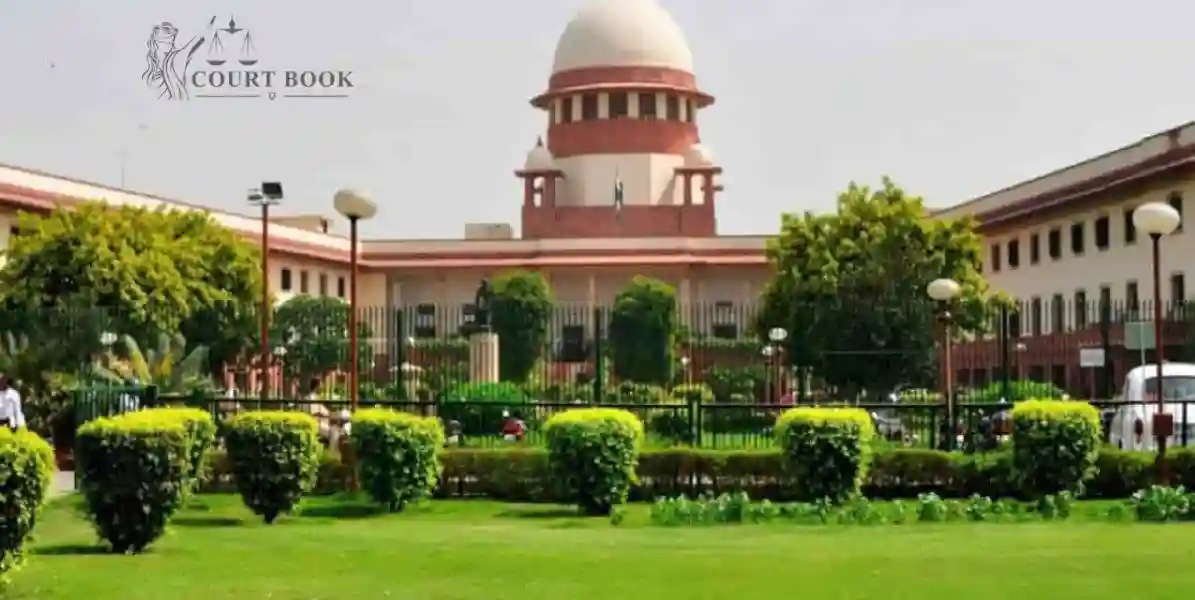
The Supreme Court has dismissed a woman’s appeal challenging multiple land sale transactions in Tamil Nadu, holding that mere allegations of fraud and misuse of power of attorney documents cannot succeed without reliable evidence. The Court said the appellant failed to prove that the transactions were only loan-security arrangements and not genuine sales.
A bench of Justice Vipul M. Pancholi and Justice Ujjal Bhuyan delivered the judgment on May 22, 2026, in the case of Mallika v. R. Nallathambi & Ors.
Background Of The Case
The dispute related to agricultural land in Coimbatore purchased by the appellant in 1996. According to her, she later executed two General Power of Attorney (GPA) documents in favour of the respondents only as security for loans worth ₹2 lakh and ₹5 lakh. She claimed the respondents later misused those GPAs to execute sale deeds in favour of their relatives.
The appellant alleged that she had repaid the loans, but the respondents neither cancelled the GPAs nor returned the original title documents. She said she discovered the transactions only in 2008 after inspecting records at the Sub-Registrar’s office.
The respondents, however, maintained that the transactions were genuine property sales carried out through valid registered documents and that full sale consideration had been paid.
The Trial Court had initially ruled in favour of the appellant and declared the disputed sale deeds void. But the First Appellate Court later reversed that decision, holding that the appellant failed to prove repayment of the alleged loans or continued possession over the property.
The Madras High Court also dismissed the second appeal in 2017, observing that no substantial question of law arose in the matter.
While examining the appeal, the Supreme Court said the burden to prove that the GPA documents were executed only as security for loans rested upon the appellant.
“The burden of establishing that the transactions were not genuine sale transactions, but merely security arrangements for loans, rested upon the appellant,” the bench observed.
The Court noted that the appellant had failed to produce documentary proof regarding the alleged loan transactions, repayment of principal amounts or payment of interest. It also pointed out that she herself did not enter the witness box despite making serious allegations of fraud and forgery.
Referring to the delay in filing the suit, the Court observed that the transactions took place in 1998 while the suit was instituted only in 2008.
“Such conduct is inconsistent with the conduct normally expected from a person alleging fraudulent and unauthorized alienation of immovable property,” the bench remarked while discussing the unexplained delay.
The Court also held that although mutation and revenue records do not by themselves create ownership rights, such records become relevant when they remain unchallenged for several years alongside registered sale transactions.
Finding no perversity or legal error in the decisions of the appellate court and the Madras High Court, the Supreme Court dismissed the appeal.
“The appellant has failed to make out any case warranting interference,” the Court held while upholding the High Court’s 2017 judgment.
Case Details
Case Title: Mallika v. R. Nallathambi & Ors.
Case Number: Civil Appeal No. 9837 of 2017
Judges: Justice Ujjal Bhuyan and Justice Vipul M. Pancholi
Decision Date: May 22, 2026
Download Judgment

