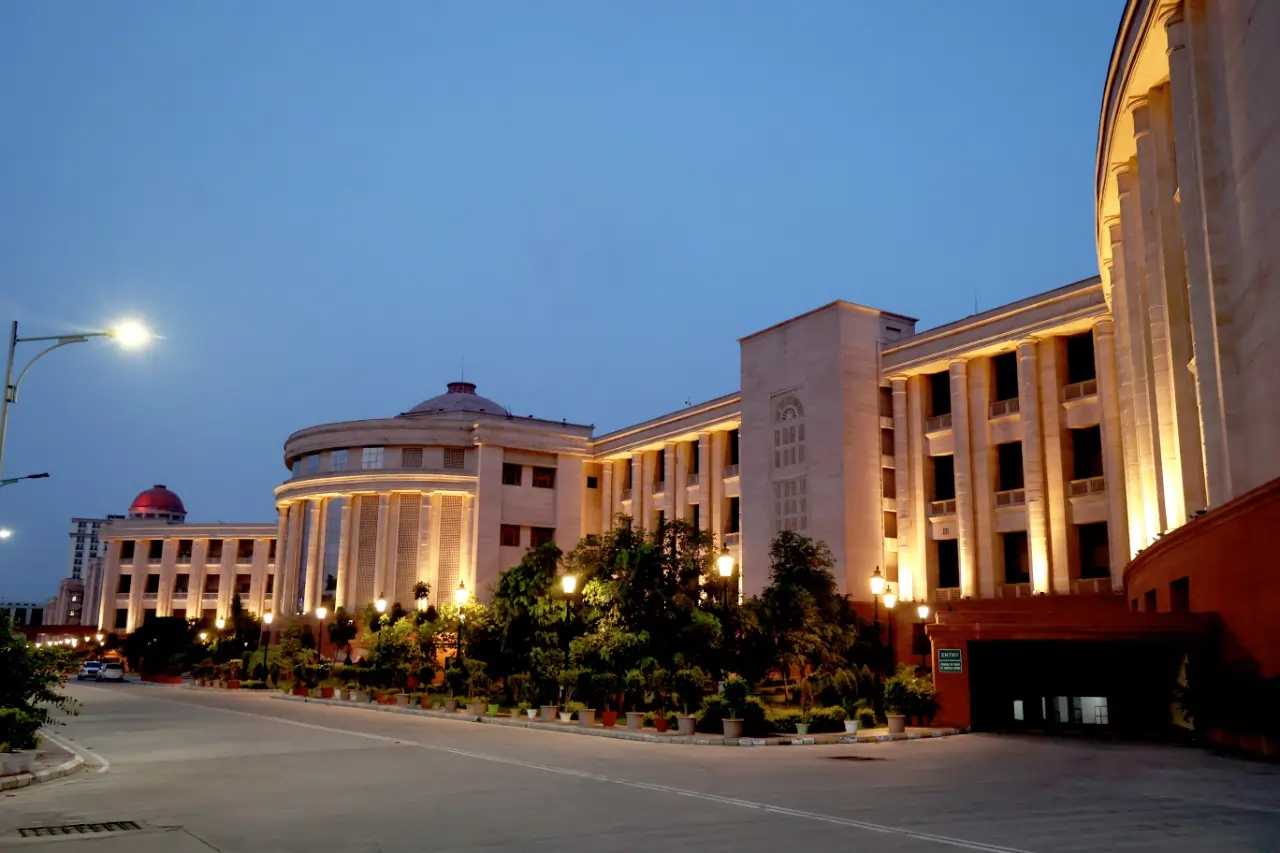
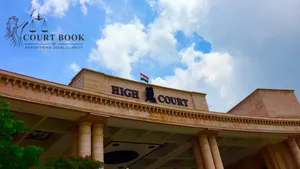
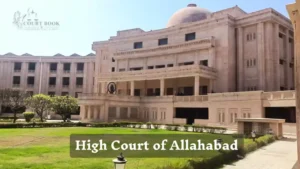
The Lucknow Bench of the Allahabad High Court has upheld the conviction and life sentence awarded to Hareram Chaudhary in the 2015 murder of Purushottam Dham Ashram head secretary Thakur Ram Sahai Singh in Barabanki district. The Division Bench found no illegality in the trial court’s judgment and concluded that the prosecution had proved its case beyond reasonable doubt.
The judgment was delivered by Justice Rajnish Kumar and Justice Zafeer Ahmad on May 27, 2026.
Background of the Case
According to the prosecution, Thakur Ram Sahai Singh was sleeping in the ashram premises during the intervening night of May 15–16, 2015, when he was shot in the head. A First Information Report (FIR) was lodged by Suryakant Mani, who claimed that several residents of the ashram witnessed the incident in the light of a generator.
After investigation, Hareram Chaudhary was chargesheeted for offences under Section 302 of the Indian Penal Code and Section 3/25 of the Arms Act. In 2018, a Barabanki trial court convicted him and sentenced him to life imprisonment.
Chaudhary challenged the conviction before the High Court, arguing that the FIR was delayed, the recovery of the weapon was doubtful, the prosecution had failed to establish motive, and that several persons named in the FIR were later dropped from the case.
Court Examines Delay in FIR
A major argument raised by the appellant was that the FIR had been lodged several hours after the incident and therefore the prosecution story was unreliable.
The High Court rejected this contention after examining the testimony of eyewitnesses. The Bench noted that the killing of the ashram’s head had created panic, fear and confusion among the residents.
Referring to the evidence, the Court observed that the witnesses had explained that the accused persons allegedly threatened those present, and that a collective decision to approach the police was taken only after discussions among ashram residents the next morning.
“The delay has sufficiently been explained,” the Bench held while agreeing with the trial court’s findings.
Eyewitness Testimony Found Reliable
The Court closely scrutinised the evidence of two eyewitnesses, Suryakant Mani and Bandhu Ji, who stated that they were present at the ashram when the shooting occurred.
The Bench found their accounts consistent on material particulars, including the time and place of occurrence, the source of light, and the identity of the accused.
“Their testimonies are consistent, cogent, and mutually corroborative on all material particulars,” the Court observed.
The judges also noted that nothing significant emerged during cross-examination that could cast doubt on their presence at the scene or their version of events.
Medical Evidence Supported Prosecution Case
The High Court further noted that the medical evidence matched the eyewitness account.
The post-mortem report recorded a firearm entry wound on the head and corresponding injuries caused by the bullet's exit. The Court held that the medical findings supported the prosecution’s narrative regarding the manner of assault.
The Bench also accepted the prosecution’s explanation regarding motive, observing that evidence on record indicated prior disputes between the accused and the deceased concerning the affairs of the ashram.
Decision
After reviewing the entire record, the High Court concluded that the prosecution had successfully established the case beyond reasonable doubt.
The Bench stated:
“This Court is of the view that the prosecution has proved its case beyond all reasonable doubt.”
Dismissing the appeal, the Court affirmed the conviction and sentence imposed by the trial court and directed that the appellant, who is already in jail, shall continue to serve the sentence awarded to him.
Case Details
Case Title: Hareram Chaudhary v. State of U.P.
Case Number: Criminal Appeal No. 924 of 2018
Judges: Justice Rajnish Kumar and Justice Zafeer Ahmad
Decision Date: May 27, 2026









 Act (UAPA)-300x169.webp)