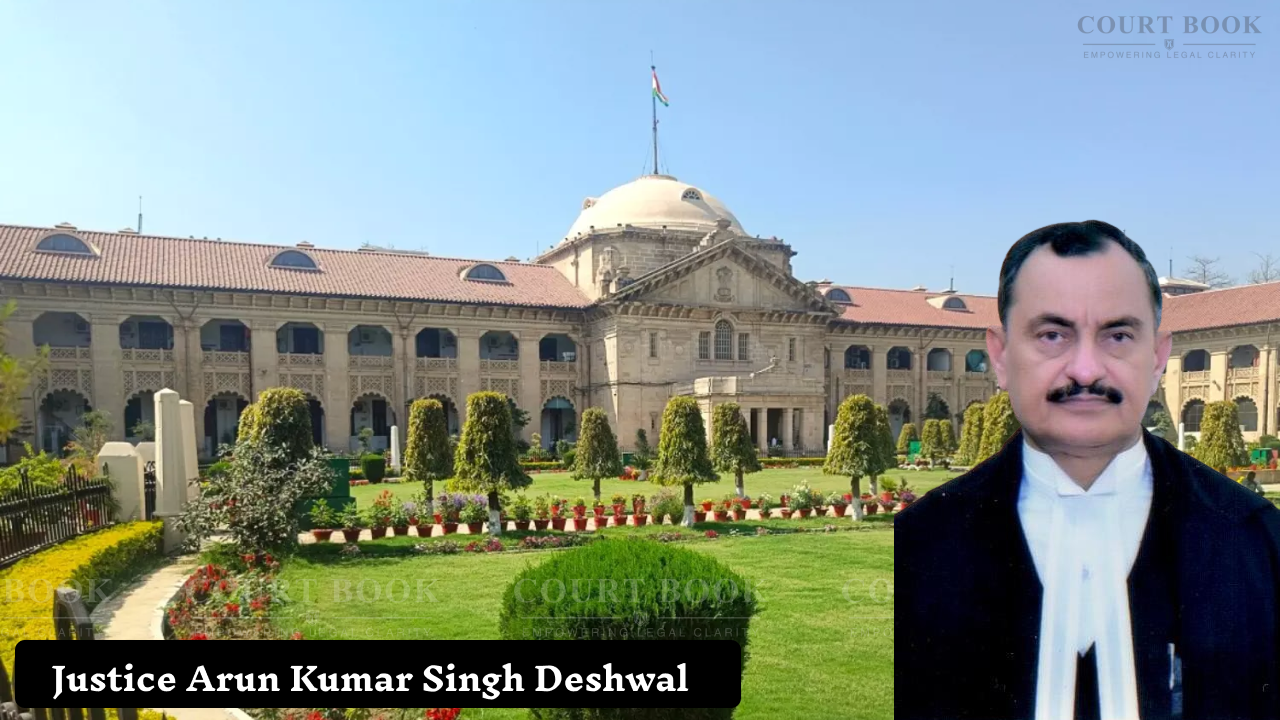
In a significant order touching both criminal investigation practices and a bail plea, the Allahabad High Court has directed the Uttar Pradesh Police to ensure that investigating officers do not ask leading or inculpatory questions while recording witness statements under Section 180 of the Bharatiya Nagarik Suraksha Sanhita (BNSS). The Court said witnesses must be allowed to narrate events in their own words, with only necessary clarifications being sought.
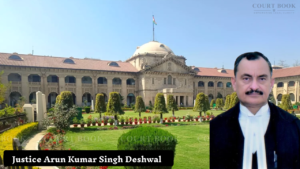
Justice Arun Kumar Singh Deshwal issued the directions while deciding a bail application filed by Aatish alias Krishnkant in a case registered under Sections 85 and 80(2) of the Bharatiya Nyaya Sanhita (BNS) and Sections 3 and 4 of the Dowry Prohibition Act.
Background of the Case
The prosecution case relates to the death of a married woman who allegedly consumed a poisonous substance in November 2025. According to the order, the post-mortem report did not immediately determine the cause of death, and the viscera was preserved for chemical examination. After the forensic report later indicated poisoning, an FIR was lodged nearly three months after the incident.
During the hearing, the Court had sought additional material, including the audio-video recordings of witness statements recorded under Section 180 BNSS and details regarding the deceased's alleged phone call to her sister-in-law before the incident. The investigating officer informed the Court that call detail records did not support the allegation that such a call had been made.
Court's Observations
After examining the audio-video recordings, the Court found that while part of the statements matched the case diary, a substantial portion appeared to have been recorded by the investigating officer rather than reflecting the witnesses' own narration.
The Court observed:
“The purpose of criminal justice administration is simply not to punish the guilty but also save the innocent person.”
It further remarked that police officers should not suggest answers or ask questions that could incriminate an accused. Instead, statements under Section 180 BNSS should faithfully record the witness's own version, except where clarification is genuinely required.
Accordingly, the Court directed the Director General of Police, Uttar Pradesh, to issue appropriate instructions to all police officers to follow this practice while recording witness statements.
Court's Decision
On the bail request, the Court noted that the FIR had been lodged about three months after the incident without an explanation for the delay. It also considered the stage of the investigation, the material placed before it, and the fact that the charge sheet had already been filed.
Without expressing any opinion on the merits of the prosecution case, the Court held that the applicant was entitled to be released on bail, subject to conditions aimed at ensuring cooperation with the trial and preventing interference with evidence.
Case Details
Case Title: Aatish Alias Krishnkant v. State of Uttar Pradesh
Case Number: Criminal Misc. Bail Application No. 24645 of 2026
Judge: Justice Arun Kumar Singh Deshwal
Decision Date: 30 July 2026