The Allahabad High Court has set aside the conviction of Ankur Tandon in a case arising from the suicide of his wife, holding that the prosecution failed to prove dowry harassment or abetment of suicide beyond reasonable doubt.
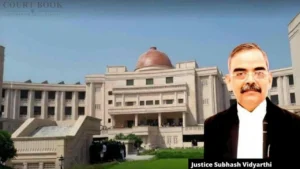
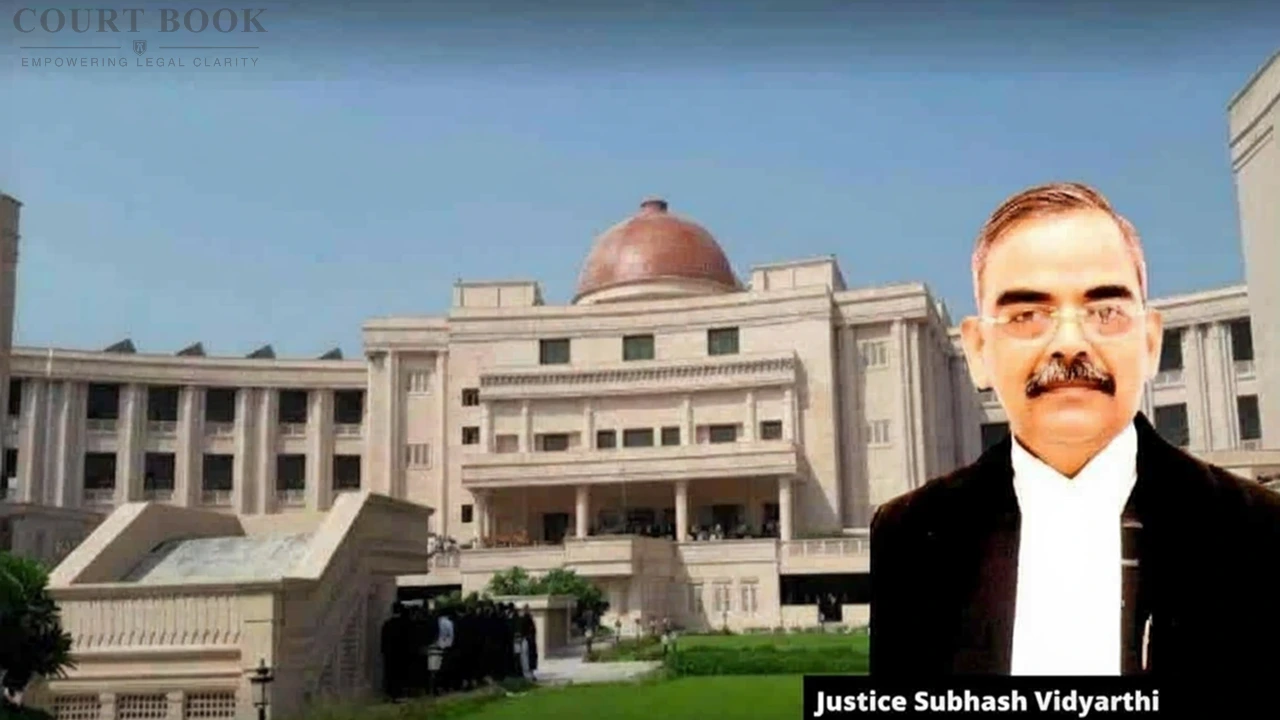
Justice Subhash Vidyarthi of the Lucknow Bench delivered the judgment on July 31, 2026, allowing the criminal appeal and acquitting Tandon of all charges.
Background Of The Case
Tandon had challenged the September 21, 2024 judgment of the Special Judge, Ayurveda Scam/CBI, Lucknow. The trial court had convicted him under Sections 498-A and 306 IPC and Section 4 of the Dowry Prohibition Act, while acquitting him of the dowry death charge under Section 304-B IPC.
The prosecution case was that Tandon and the deceased had married in December 2004 and that she was allegedly harassed for dowry, including a demand of Rs.10 lakh for purchasing a flat. Her family claimed that Rs.6 lakh had subsequently been paid.
The deceased died by suicide on October 2, 2010. Two suicide notes were recovered. The notes referred to alleged ill-treatment and matrimonial disputes, but, as the High Court noted, they did not contain an allegation of dowry demand.
Court Examines Evidence On Dowry Demand
Justice Vidyarthi closely examined the statements of the prosecution witnesses and the documents produced by both sides.
The Court found several discrepancies concerning the alleged payment of Rs.6 lakh and the timing and nature of the alleged dowry demands. It also noted that the deceased's first written allegation of dowry harassment was made in an FIR lodged on April 20, 2010.
The Court observed that the prosecution had failed to establish the alleged payment of Rs.6 lakh as dowry beyond reasonable doubt. It further noted that there were longstanding disputes and allegations between the husband and wife, including criminal and matrimonial proceedings.
“The prosecution was required to prove the allegations beyond reasonable doubt,” the Court held, adding that the appellant's defence only needed to raise a reasonable doubt on the prosecution case.
Section 306 IPC Conviction Also Set Aside
The High Court then examined whether the evidence established abetment of suicide.
Referring to Supreme Court precedents, the Court noted that Section 306 IPC requires proof of an act of instigation, intentional aid or participation in circumstances amounting to abetment. Mere allegations of harassment, without a positive act sufficiently connected with the suicide, are not enough.
A significant factor was that the trial court itself had found that Tandon and the deceased had not been in contact for more than five months before her death. The deceased had lodged an FIR against him and his family on April 20, 2010, while her suicide occurred on October 2, 2010.
The High Court held that there was no evidence of any act by Tandon during this period that could amount to instigation to suicide. It therefore concluded that the prosecution had failed to establish the Section 306 charge.
Decision
The Court allowed the appeal and set aside the September 21, 2024 conviction and sentence. Tandon was acquitted of all charges under Sections 498-A and 306 IPC and the Dowry Prohibition Act.
The Court directed that he be released from custody in the present case on furnishing the required bond and sureties, subject to Section 437-A CrPC.
It also ordered that the fine deposited by him be refunded.
Case Details:
Case Title: Ankur Tandon v. State of U.P. Thru. Prin. Secy. Home Deptt. Lko.
Case Number: Criminal Appeal No. 3471 of 2024
Judge: Justice Subhash Vidyarthi
Decision Date: July 31, 2026