

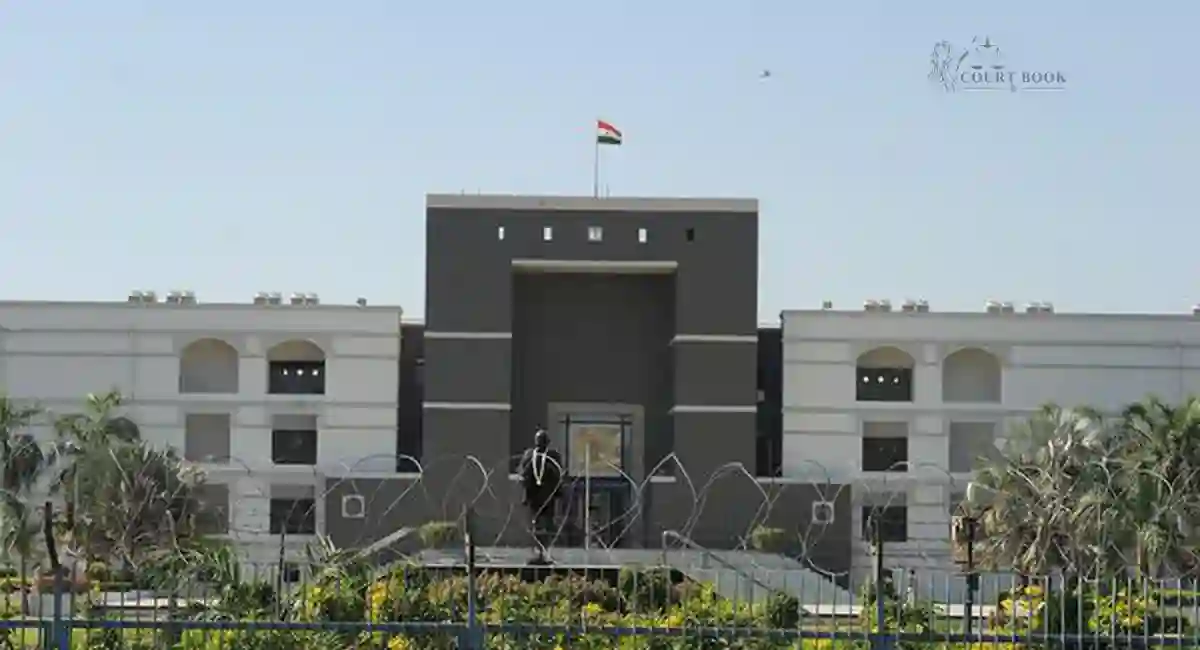
The Gujarat High Court has dismissed a petition seeking restoration of a civil suit that was thrown out for non-appearance. The Court made it clear that a litigant cannot escape responsibility by simply blaming their lawyer, especially when there is no proof of vigilance.
Justice Devan M. Desai delivered the oral judgment on February 9, 2026, rejecting the plea to condone a delay of over 14 months and restore a suit originally filed in 2002.
Read also:-Sikkim High Court Closes NHM Transfer Dispute After Amicable Settlement Between Employee
Background of the Case
The dispute traces back to Regular Civil Suit No. 794 of 2002, filed for cancellation of a sale deed dated January 30, 1970. The plaintiffs claimed the document was bogus and fraudulent.
After years of proceedings, issues were framed in December 2016. However, when the case was listed for evidence, the plaintiffs failed to remain present. The trial court granted multiple opportunities - as many as 16 adjournments - but no evidence was led.
On October 15, 2018, the trial court dismissed the suit for default under Order 9 Rule 8 of the Civil Procedure Code. Later, the plaintiffs filed a combined application seeking restoration of the suit and condonation of delay under the Limitation Act.
The trial court rejected that application on October 28, 2021. Aggrieved, the legal heirs of Sardar Himmatbhai Khokar approached the High Court under Articles 226 and 227 of the Constitution.
Read also:-Patna High Court Dismisses Plea for Compensation Over Alleged Illegal Detention, Flags Lapses
Petitioners’ Arguments
Counsel for the petitioners argued that their previous lawyer did not inform them about the progress of the case or the dismissal order. Because of this lack of communication, they claimed they were unaware that the suit had been dismissed.
They contended that a party should not suffer for the mistake of its advocate. Relying on earlier judicial decisions, they urged the Court to adopt a liberal approach and allow the matter to be decided on merits rather than technical grounds.
Respondent’s Stand
The respondents opposed the plea. Their counsel submitted that the plaintiffs had been granted repeated opportunities to lead evidence but chose not to act.
They also pointed out that the petitioners failed to mention in their original application when and how they came to know about the dismissal. According to the respondents, this omission showed lack of bona fides.
Read also:-Madras High Court Rules Grandparents Not ‘Family’ for Stamp Duty Concession in Settlement Deeds
Court’s Observations
Justice Desai examined the record closely. The Court noted that after issues were framed, notice was issued to the plaintiffs. Despite receiving notice, they did not proceed with the case.
“The bonafides of a litigant has to be surfaced on the record,” the bench observed. It added that while courts should adopt a justice-oriented approach in delay matters, such leniency cannot be extended where conduct shows negligence.
The judge emphasized that the petitioners failed to disclose the exact date and source of knowledge of the dismissal. In such circumstances, the Court said it must presume that they had knowledge of the order when it was passed.
The bench also rejected the argument that the lawyer alone was responsible. “Blaming learned advocate by a litigant without any evidence or base is nothing but shirking from responsibilities,” the Court remarked.
Importantly, the Court observed that in today’s digital age, court orders are available online. A litigant cannot claim ignorance indefinitely.
Read also:-Gujarat HC Sends 17-Year-Old Girl to Mehsana Children Home After She Refuses to Return
Distinguishing Earlier Judgments
The petitioners relied on a previous High Court decision where delay was condoned due to exceptional circumstances, including the Covid-19 situation. However, Justice Desai clarified that those facts were entirely different.
“In the present case, no such exceptional circumstances are made out,” the Court noted, refusing to extend similar relief.
The Decision
After considering all submissions, the High Court found no reason to interfere with the trial court’s order.
Holding that the petition lacked merit, Justice Desai dismissed the Special Civil Application. Any interim relief granted earlier was vacated. No costs were imposed.
Case Title: LR of Sardar Himmatbhai Khokar & Ors. vs LR of Jesangbhai Amthabhai & Ors.
Case No.: R/Special Civil Application No. 3651 of 2022
Decision Date: 09/02/2026


