

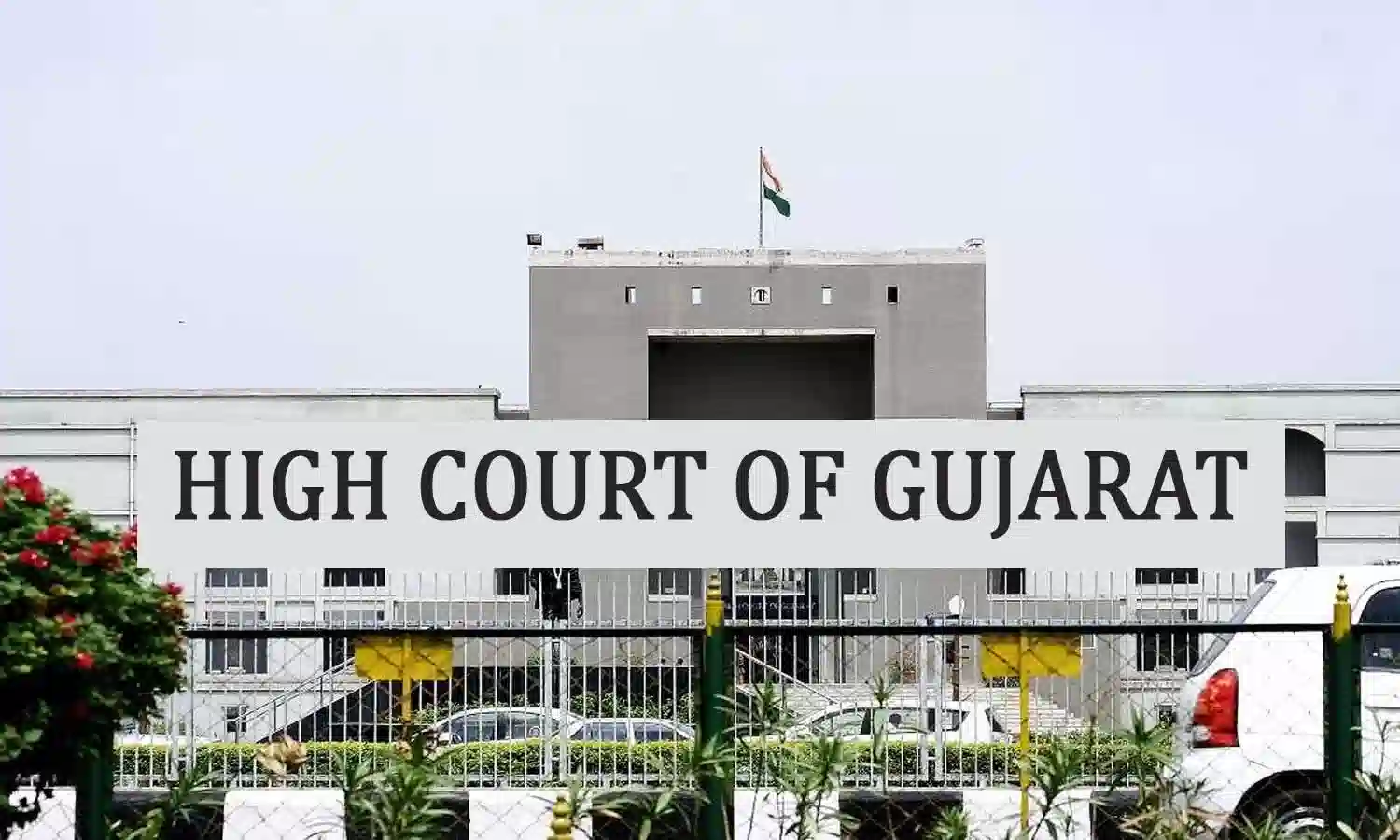
In a packed courtroom on Wednesday, the Gujarat High Court declined to relieve 22-year-old Tathya Pragneshbhai Patel from the serious charges he faces for the horrifying Iskcon Bridge crash that killed nine people and injured several others. Justice P. M. Raval, after hearing both sides at length, observed that the material placed on record created “a strong prima facie case” under Section 304 Part II of the Indian Penal Code, which deals with culpable homicide not amounting to murder.
Background
The incident dates back to the early hours of 20 July 2023. Patel was allegedly driving a Jaguar at what investigators recorded as over 130 km/h moments before the car ploughed into police personnel and onlookers who had gathered at the site of a previous accident on Iskcon Bridge. Nine people died on the spot, while more than a dozen suffered severe injuries. According to the case files, his co-passengers had pleaded with him to slow down, but their requests, as the court noted, “went to deaf ears.”
Patel and his father, Pragnesh Harshadbhai Patel, had filed revision applications challenging the trial court’s refusal to discharge them from charges that included culpable homicide, attempt to commit culpable homicide, rash driving, and offences under the Motor Vehicles Act.
Court’s Observations
Justice Raval took time to walk through the evidence speed-tracking data from Jaguar, forensic reports, and witness statements. The bench observed, “If the car is driven at high and excessive speed and in such a manner that despite having knowledge that this would lead to death, the act still continues, the ingredients of Section 304 Part II stand attracted.”
The judge repeatedly stressed that this was not a routine rash-driving case. The speed, the dark-tinted windshield, the late-night visibility issues, and the driver’s refusal to slow down despite warnings formed a combination that, according to the court, crossed the threshold of simple negligence. The court remarked that relying solely on older judgments to argue for a lesser offence “would ignore the facts that make this case distinct.”
On the defence argument that Patel lacked knowledge a crucial requirement for Section 304 Part II Justice Raval disagreed. He noted that a driver racing at 130 km/h on a city flyover “cannot be said to be hoping that consequences would not follow.”
Regarding the father, the court’s tone shifted. Evidence showed he arrived after the accident, argued with bystanders, allegedly threatened them, and took his son away. But this behaviour, the judge said, did not amount to abetment of culpable homicide. “At best,” the bench said, the role attracted only charges of intimidation and insult, not the more serious driving-related offences.
Decision
In its final order, the High Court dismissed Tathya Patel’s plea for discharge, holding that the case must proceed on charges under Sections 304 Part II and 308 of the IPC, among others. His father, however, received partial relief: the court discharged him from offences related to rash driving, culpable homicide, and violations of the Motor Vehicles Act but allowed charges of intimidation and related offences to stand.
Case Title: Tathya Pragneshbhai Patel vs. State of Gujarat
Case Type: Criminal Revision Application No. 1406/2023
Date of Judgment: 03 December 2025
Download Judgment

