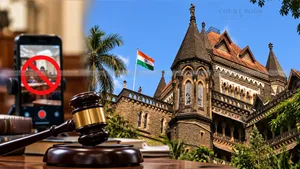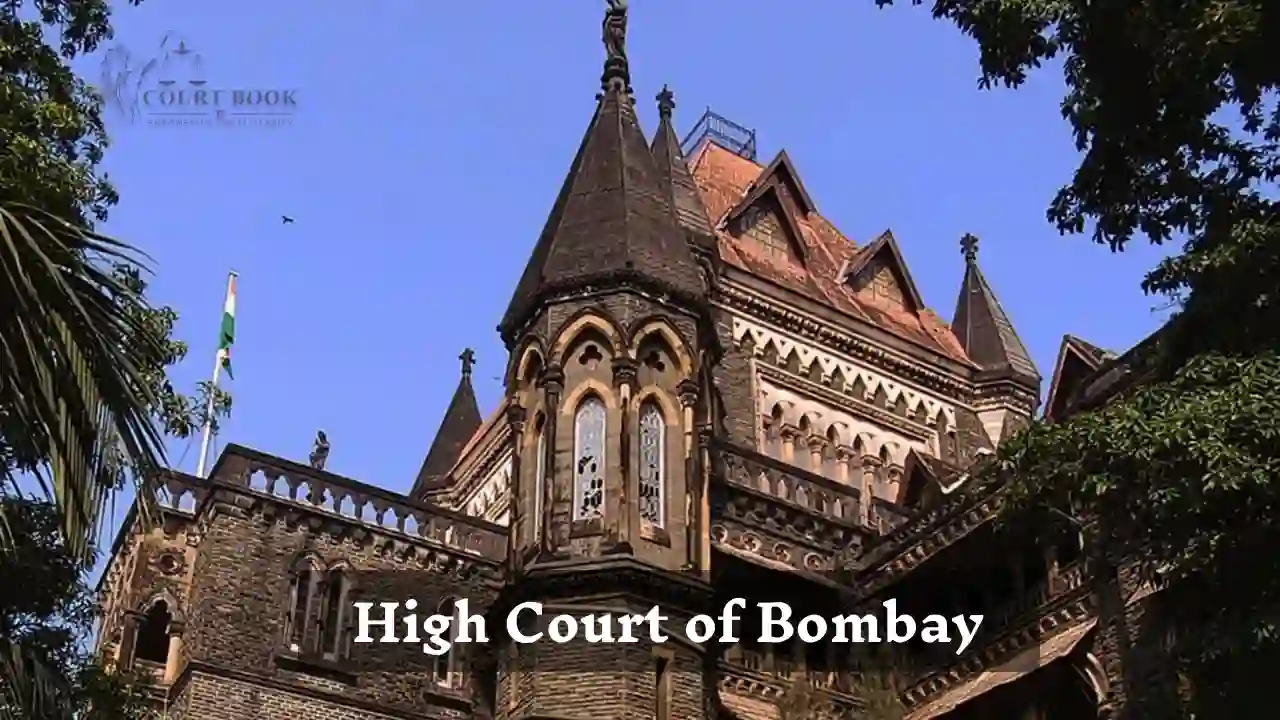
The Bombay High Court has refused to interfere with the termination of a probationary school teacher who was removed from service after allegations of inappropriate contact with a student surfaced. The Court held that the school management acted within the law and that no detailed departmental enquiry was required in the facts of the case.
Background of the Case
The case arose from a writ petition filed by Gavit Gulabsing Suka, a probationary assistant teacher appointed at a school run by Swami Vivekanand Shikshan Sanstha, Kolhapur.
Read Also:-Kerala High Court Quashes Suicide Abetment Case, Says Angry Words Alone Don’t Prove Criminal
Suka was appointed as a shikshan sevak on February 29, 2020, for a statutory probation period of three years. His probation was due to end in February 2023.
In December 2022, the school received complaints from parents alleging that the teacher had been in WhatsApp contact with a girl student. The matter escalated quickly, with local tension reported on the school premises. On the same day, the teacher submitted a written apology admitting to the communication.
Following this, the school terminated his services on January 31, 2023, by giving one month’s salary in lieu of notice.
The teacher challenged this decision before the School Tribunal, which dismissed his appeal. He then approached the Bombay High Court.
Key Arguments by the Teacher
The petitioner argued that:
• His termination violated principles of natural justice.
• No proper enquiry or show-cause notice was issued.
• He was deemed to be a permanent employee as his probation was nearing completion.
• The termination was punitive and stigmatic in nature.
Read Also:-Delhi High Court Rejects Sameer Wankhede’s Defamation Suit Against Netflix Show ‘Ba*ds
He relied on several court rulings to argue that even probationers are entitled to due process.
Court’s Observations
Justice Somashekhar Sundaresan, who heard the matter, closely examined the statutory scheme under the Maharashtra Employees of Private Schools (MEPS) Act, 1977.
The Court noted that:
• A shikshan sevak remains on probation for three years.
• During this period, the management has the right to terminate services if conduct or behaviour is found unsatisfactory.
• Such termination can be done with one month’s notice or salary in lieu of notice.
The Court made it clear that:
“The opinion of the management must be reasonable, but it need not be preceded by a full-fledged departmental enquiry in every case.”
The judge emphasized that this was not a case involving classroom performance but conduct outside the classroom that raised serious concerns.
Read Also:-UGC's 2026 Anti-Discrimination Rules Face Protest by Lawyers Near Allahabad High Court
On the Alleged Misconduct
While clarifying that the Court was not deciding the morality or criminality of the conduct, the judge observed that:
• The teacher admitted to being in electronic contact with a student.
• A written apology was given voluntarily and not withdrawn for over two months.
• There was public unrest following the incident, requiring intervention by the school authorities.
“The very fact that a teacher was in contact with a student outside school hours was sufficient for the management to form a reasonable opinion,” the Court noted.
The judge added that a school is entitled to maintain a zero-tolerance approach when student safety and institutional discipline are involved.
Why No Enquiry Was Required
The Court distinguished this case from others where termination was based on vague or stigmatic allegations.
Here, the termination was held to be:
• Non-punitive
• Based on admitted conduct
• Within the probation period
• Supported by statutory powers under Section 5(3) of the MEPS Act
“The termination was not stigmatic. It was a lawful discontinuation of probation,” the Court observed.
Read Also:-Supreme Court Sets Aside Odisha Land Dispute Orders, Says Section 47 CPC Misused After Decree
Final Decision
The Bombay High Court dismissed the writ petition and upheld:
• The School Tribunal’s order
• The termination of the probationary teacher
• The school’s right to act without a formal enquiry in such circumstances
The Court concluded:
“There was sufficient material to form a reasonable opinion. This Court finds no ground to interfere.”
Case Title: Gavit Gulabsing Suka v. Swami Vivekanand Shikshan Sanstha & Ors.
Case No.: Writ Petition No. 16771 of 2024
Decision Date: January 20, 2026
Download Oral Judgment