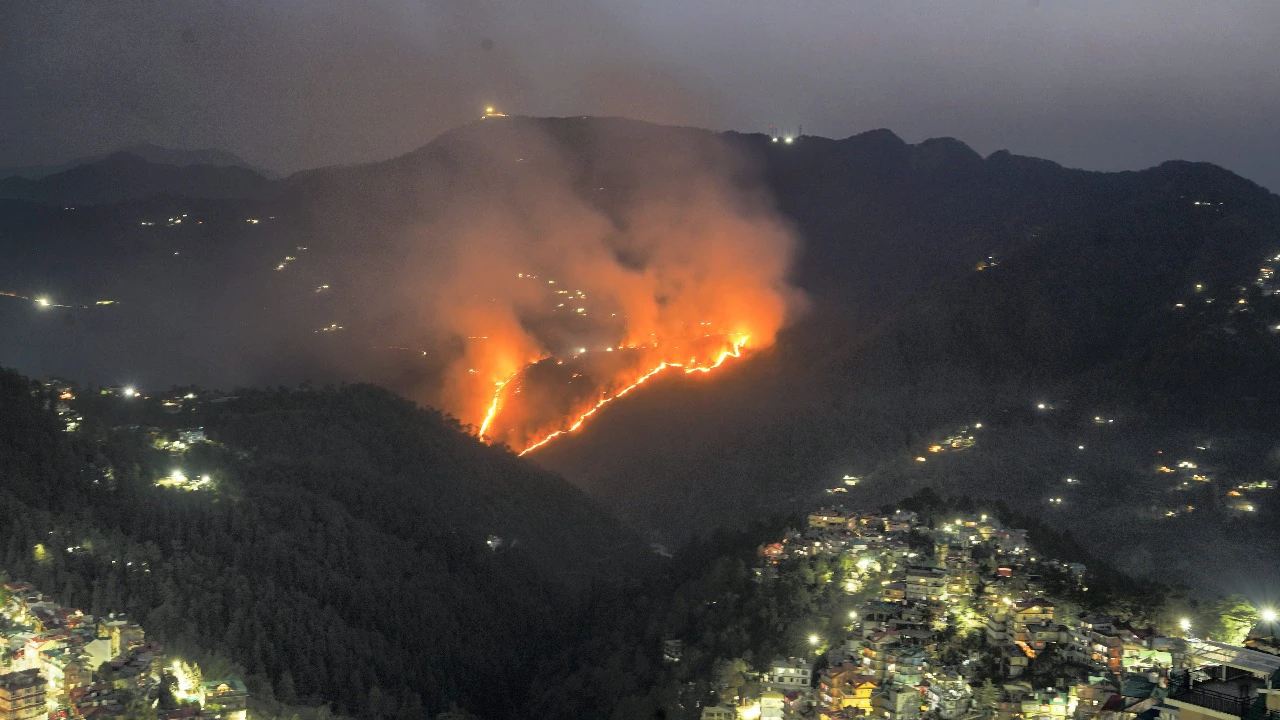
In a strong message on the value of a victim’s last words, the Supreme Court on January 15 restored a life sentence in a 2009 burn case from Himachal Pradesh, setting aside an acquittal granted by the High Court. The top court held that the dying declaration of Saro Devi-who suffered fatal burn injuries-was reliable and enough to prove the charge of murder against her husband, Chaman Lal.
Background of the Case
The case traces back to December 7, 2009, when Saro Devi was found with severe burns at her home in Chamba district. She was first treated locally, then referred to a medical college in Tanda. Despite weeks of care, she died on January 15, 2010.
Read also:- No Test Identification, Doubtful Witnesses: Kerala High Court Sets Aside Life Term After 7 Years
Police booked her husband for murder, alleging he poured kerosene on her and set her ablaze. During treatment, a Tehsildar recorded her statement after doctors certified she was fit to speak. In that statement-later treated as her dying declaration-Saro Devi named her husband as the attacker.
A Sessions Court convicted Chaman Lal and sentenced him to life imprisonment. But in 2014, the Himachal Pradesh High Court reversed the verdict, giving him the benefit of doubt. The State challenged that acquittal before the Supreme Court.
Court’s Observations
A Bench of Justices B.V. Nagarathna and R. Mahadevan carefully re-examined the evidence. The judges focused on the dying declaration recorded by a neutral public officer and supported by medical certification and witness accounts.
Read also:-Unnao Rape Case: Delhi High Court Seeks CBI Reply as Survivor Moves Plea to Lead Fresh Evidence
The court noted that minor differences about the timing of the statement or who wrote it down could not overshadow its core truth. “So long as the court is satisfied that the declaration is voluntary, truthful and reliable, technical objections cannot defeat justice,” the bench observed.
Addressing doubts raised by the High Court, the Supreme Court said the presence of senior police officers during the recording did not automatically make the statement suspicious. What mattered was whether the victim was conscious and speaking freely-both of which were proved on record.
On the defence claim that Saro Devi had set herself on fire, the bench was unconvinced. It pointed out that witnesses suggesting self-immolation came forward late and their versions were inconsistent. The judges added that a husband trying to douse flames does not erase criminal responsibility if the act of burning was intentional.
On motive, the court said direct evidence-like a credible dying declaration-does not need strong proof of motive. Still, it noted that the victim had spoken about frequent quarrels and humiliation at home, which gave context to the crime.
“The High Court,” the bench said, “discarded a crucial piece of evidence on speculative grounds and placed undue reliance on hostile and partisan testimonies.”
Read also:-Allahabad HC Quashes Summoning in Marital Dispute, Flags Police Lapses in Non-Cognizable
The Decision
Allowing the State’s appeal, the Supreme Court set aside the High Court’s acquittal and restored the life sentence awarded by the trial court.
“The dying declaration inspires full confidence,” the bench said, holding that the prosecution proved the charge of murder beyond reasonable doubt.
The court directed Chaman Lal to surrender immediately to serve the remaining sentence. If he fails to do so, the trial court has been asked to take steps under law.
Case Title: State of Himachal Pradesh v. Chaman Lal
Case No.: Criminal Appeal No. 430 of 2018
Decision Date: January 15, 2026
Download Judgment



-300x169.webp)
-300x169.webp)