

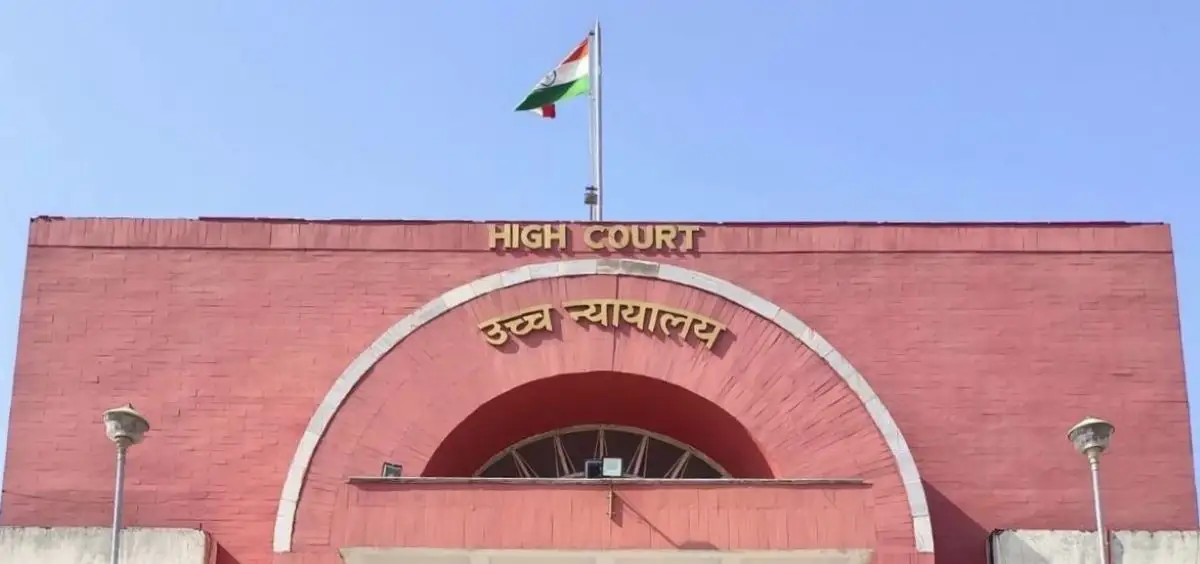
On a quiet winter morning at the Aurangabad Bench of the Bombay High Court, an appeal that had been hanging fire since 2007 finally reached closure. The courtroom was attentive as Justice Sushil M. Ghodeswar dictated an order that overturned a corruption conviction dating back nearly two decades, bringing relief to a Public Works Department clerk who had long insisted he was falsely implicated.
हिंदी में पढ़ें
Background
The case arose from a 2004 Anti-Corruption Bureau trap in Jalna. Dadasaheb Dagdurao More, then a junior clerk in the PWD, was accused of demanding ₹1,500 from a chowkidar for updating service book entries required for increments and promotion. A trap was laid, tainted notes were allegedly accepted, and More was convicted in 2007 under the Prevention of Corruption Act, receiving a one-year sentence.
Challenging this verdict, More approached the High Court, arguing that the entire prosecution rested on shaky ground-especially the claim of demand for a bribe and the sanction granted to prosecute him.
Court’s Observations
As arguments unfolded, the Bench appeared unconvinced by the prosecution’s foundation. Justice Ghodeswar noted that sanction to prosecute a public servant is not a routine signature exercise. In this case, the sanctioning authority admitted during evidence that the sanction order was prepared strictly on a draft sent by the police.
“The sanctioning authority has not applied his independent mind,” the court observed, adding that such mechanical approval strikes at the very root of the prosecution.
Equally damaging was the prosecution’s failure to clearly establish demand for illegal gratification. The court pointed out inconsistencies in witness statements and omissions in the complaint itself. “Mere recovery of tainted currency notes, without proof of demand, cannot sustain a conviction,” the Bench remarked, relying on settled Supreme Court law.
The judge also noted that key elements-like corroboration of the alleged demand-were missing, and even the shadow panch’s testimony did not fully support the prosecution story.
Decision
Concluding that both mandatory requirements-valid sanction and proof of demand-were absent, the High Court allowed the appeal. The 2007 conviction and sentence were quashed, and Dadasaheb Dagdurao More was acquitted of all charges. The court directed that his bail bond stand cancelled, any fine paid be refunded, and records be sent back to the trial court, finally closing a long-running chapter.
Case Title: Dadasaheb Dagdurao More vs State of Maharashtra
Case No.: Criminal Appeal No. 91 of 2007
Case Type: Criminal Appeal (Prevention of Corruption Act)
Court: Bombay High Court, Aurangabad Bench
Decision Date: 24 December 2025


