

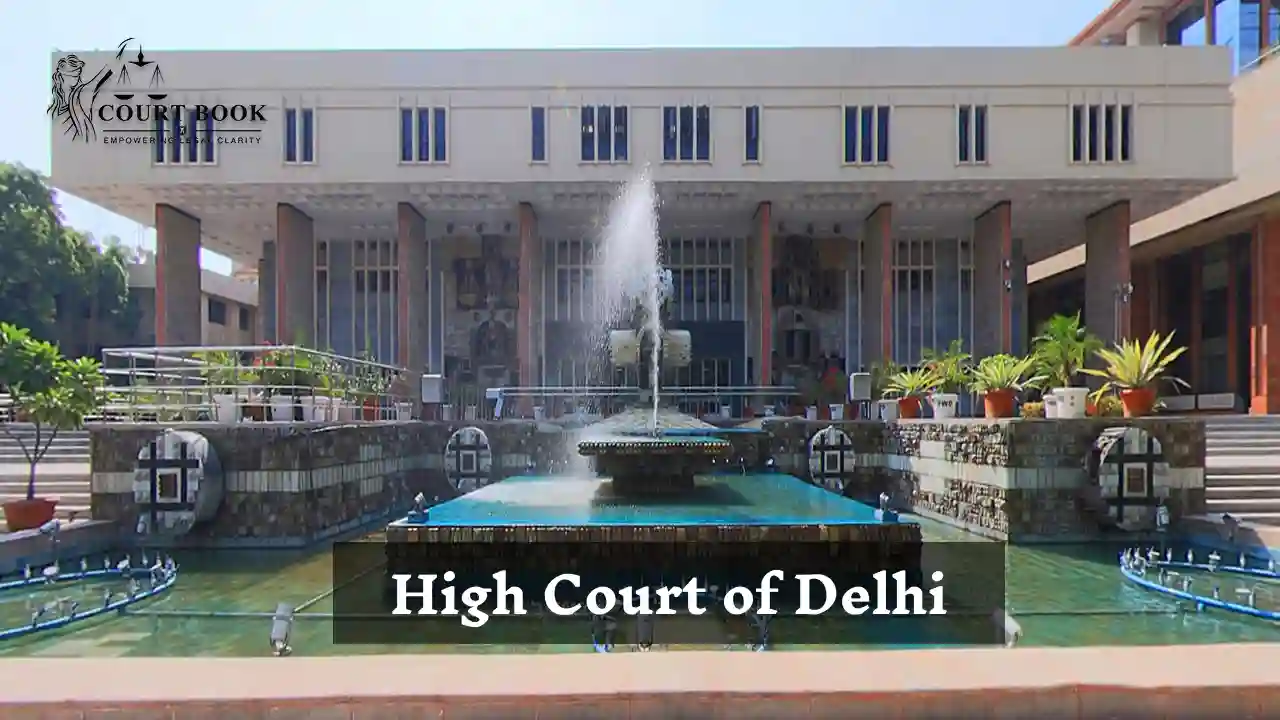
The Delhi High Court has upheld the conviction of former Assistant Sub-Inspector Baldev Singh in a long-pending corruption case dating back to 1995. Dismissing his appeal, the court ruled that the prosecution had successfully proved the demand and acceptance of illegal gratification, despite inconsistencies in witness testimony.
The judgment was delivered by Justice Chandrasekharan Sudha on January 28, 2026.
Read Also:-Kerala High Court Quashes Suicide Abetment Case, Says Angry Words Alone Don’t Prove Criminal
Background of the Case
Baldev Singh, then posted at Police Post Shakur Basti, was accused of demanding a bribe from a local businessman in November 1995. According to the prosecution, the officer initially demanded ₹10,000 to avoid harassing the complainant in earlier police complaints initiated at the behest of his brother.
Later, the amount was allegedly reduced to ₹5,000. When the complainant approached the CBI, a trap was laid on November 9, 1995, at a sweet shop in Rani Bagh, Delhi.
During the trap, phenolphthalein-treated currency notes were allegedly recovered, and chemical tests later confirmed contact with the accused’s hands and jacket pocket.
The trial court in 2001 convicted Baldev Singh under Sections 7 and 13 of the Prevention of Corruption Act and sentenced him to imprisonment and fine. He challenged the verdict before the High Court.
Read Also:-Delhi High Court Rejects Sameer Wankhede’s Defamation Suit Against Netflix Show ‘Ba*ds
Arguments Raised in Appeal
The defence strongly questioned the prosecution case, arguing:
• There was no clear proof of demand, which is mandatory in corruption cases
• The complainant gave contradictory statements about the amount and timing of the bribe
• Independent witnesses did not fully support the prosecution
• Recovery of money was doubtful
• Sanction for prosecution was defective
• Delay in sending samples to the forensic lab weakened the case
The defence also claimed the money was forcibly thrust into the officer’s pocket and later thrown on the road during a scuffle.
Court’s Observations
After closely examining the evidence, the High Court rejected the defence arguments.
The court noted that:
• The complainant’s testimony, though inconsistent in parts, clearly established demand and acceptance
• Minor contradictions do not demolish an otherwise reliable prosecution case
• The accused’s presence at the spot and chemical test results strongly supported the prosecution version
• Phenolphthalein test results confirmed contact with tainted money
• Delay in forensic testing did not cause prejudice to the accused
• The sanction for prosecution was valid and showed due application of mind
Read Also:-UGC's 2026 Anti-Discrimination Rules Face Protest by Lawyers Near Allahabad High Court
“The inconsistencies pointed out are minor and do not strike at the core of the prosecution case,” the court observed.
The judge also clarified that even if some witnesses turned partially hostile, their testimony could still be relied upon to the extent it supported the case.
On Witness Handling and Trial Procedure
The court also addressed procedural issues raised during the trial, especially regarding how prosecution witnesses were questioned.
It clarified that:
• A witness cannot technically be “declared hostile”
• Prosecutors may seek court permission under Section 154 of the Evidence Act to ask leading questions
• Prior police statements can only be used for contradiction following strict legal procedure
However, these procedural lapses did not affect the final outcome of the case.
Read Also:-Supreme Court Sets Aside Odisha Land Dispute Orders, Says Section 47 CPC Misused After Decree
Final Decision
The High Court found no legal infirmity in the 2001 trial court judgment and dismissed the appeal.
“The appeal is devoid of merit and stands dismissed,” the court held.
The conviction and sentence awarded to Baldev Singh under the Prevention of Corruption Act remain intact.
Case Title: Baldev Singh v. Central Bureau of Investigation
Case Number: CRL.A. 567/2001
Decision Date: January 28, 2026
Download Judgments

