

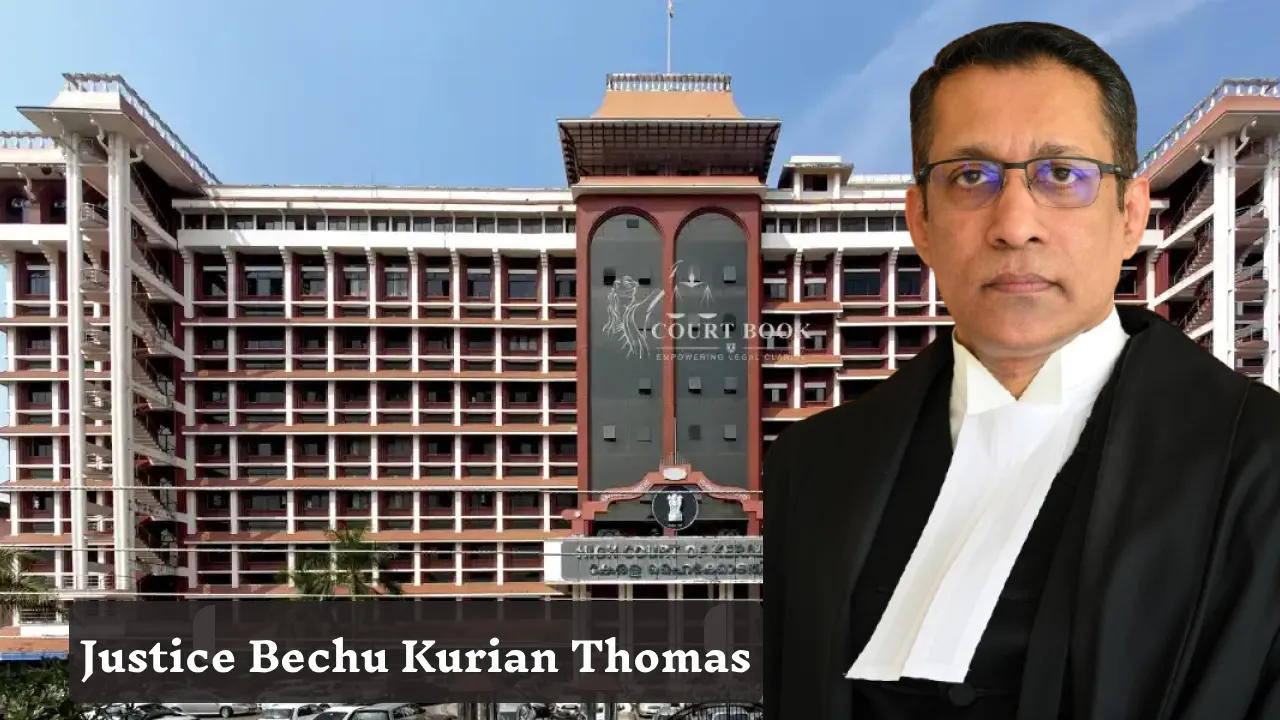
The Kerala High Court on Tuesday declined to interfere with the 2026 elections of the Kerala High Court Advocates’ Association (KHCAA), holding that disputes over Bar Association elections cannot be examined under its writ jurisdiction. Justice Bechu Kurian Thomas dismissed a petition filed by advocate Sangeetha Lakshmana, who had questioned the entire election process, from the voters’ list to the final declaration of results.
Background of the Case
The petitioner, a long-standing member of the KHCAA and a practising advocate for over 25 years, had expressed her intention to contest the Association’s 2026 elections. She alleged several irregularities in the conduct of the polls, including delays in publishing the voters’ list, repeated changes to draft lists, and a lack of response to her written objections.
The elections were eventually held on December 16, 2025, inside the High Court auditorium, and the results were declared the next day. Claiming that the use of High Court premises and infrastructure gave the election a public character, the petitioner approached the High Court seeking to quash the election notification, the voters’ lists, and the results.
Appearing in person, the petitioner argued that the Advocates’ Association performs functions closely connected to the High Court’s working and should therefore be treated as an authority amenable to writ jurisdiction. She relied on earlier judgments where courts had entertained writ petitions involving Bar Associations.
Read also:- Rajasthan HC Quashes Pension Cut Order, Says Inquiry Based on Unproven Evidence Is Unsustainable
On the other hand, counsel for the High Court opposed the plea, stressing that election disputes of Bar Associations are essentially private matters. It was argued that such disputes must be resolved through civil remedies, not writ proceedings, as the Association does not perform any statutory or public duty.
Court’s Observations
After hearing both sides, the Court framed the core issue clearly: whether the Kerala High Court Advocates’ Association, and its internal elections, could be challenged under Article 226 of the Constitution.
The Court noted that the Association is a registered society under the Travancore-Cochin Literary, Scientific and Charitable Societies Registration Act, 1955, formed to serve its members.
“Merely because an association consists of advocates or uses court premises for certain activities does not mean it discharges a public duty,” the bench observed.
Justice Thomas also addressed the argument that ceremonial roles such as the Association President addressing full court references or participating in national day functions conferred public character. The Court clarified that such acts are only permissive and do not create enforceable rights or public duties. As the judgment records,
“Permissions granted for ceremonial functions cannot elevate a private body into one discharging public functions.”
Read also:- SC Says High Courts Cannot Dictate Investigations, Overturns Order in Savukku Shankar Case
Decision
Concluding that elections to the KHCAA have no public character, the Court held that the writ petition was not maintainable. It emphasized that election-related grievances of a registered society must be raised before the appropriate civil forum.
“The elections to the Association cannot be brought within the ambit of public law remedies,” the bench ruled, while adding that the dismissal would not prevent the petitioner from pursuing other remedies available under law.
With these observations, the writ petition was dismissed.
Case Title: Sangeetha Lakshmana v. Registrar General, High Court of Kerala & Others
Case Number: W.P.(C) No. 302 of 2026
Date of Judgment: 20 January 2026
Download Judgment

