In a significant ruling on government contracts, the Supreme Court has drawn a clear line between contract termination and blacklisting. While upholding the termination of a contractor’s work in Jharkhand, the Court struck down the blacklisting order, calling it legally flawed and procedurally unfair.
Background of the Case
The dispute arose after an under-construction Elevated Service Reservoir (ESR) collapsed in June 2024 in Jharkhand. The project had been awarded to M/s A.K.G. Construction and Developers Pvt. Ltd.
Following the incident, the state’s Drinking Water and Sanitation Department issued a notice alleging poor construction quality and negligence. Multiple inquiries including expert inputs from institutions like IITs concluded that the collapse was due to substandard work.
Based on these findings, the Department passed a combined order in August 2024 terminating the contract and blacklisting the contractor for five years. The contractor challenged this before the High Court, but the plea was dismissed, leading to an appeal before the Supreme Court.
The bench emphasized that termination of a contract and blacklisting are two separate legal actions with different consequences.
“The decision to blacklist is not a natural or automatic consequence of termination,” the Court observed, stressing that blacklisting affects a contractor’s future business prospects and carries serious civil consequences.
The Court noted that while the contractor had sufficient opportunity to respond during the termination process, the same standard was not followed for blacklisting.
It highlighted that:
- No clear show-cause notice specifically proposing blacklisting was issued.
- The department failed to demonstrate proper application of mind before imposing such a severe penalty.
- Principles of natural justice, particularly the right to be heard, were not followed.
The bench remarked,
“Blacklisting, being stigmatic and exclusionary in nature, cannot be imposed mechanically.”
The judgment clarified that:
- Termination deals with existing contractual obligations.
- Blacklisting impacts future opportunities and business dealings with the government.
Because of its long-term impact, blacklisting requires stricter procedural safeguards, including a specific and detailed notice.
After examining the record, the Supreme Court upheld the termination of the contract, finding it justified based on evidence of negligence and poor-quality construction.
However, it set aside the blacklisting order, holding it to be “illegal, arbitrary and unreasonable.”
Considering the time already elapsed since the order, the Court directed that the blacklisting would cease to operate immediately, instead of sending the matter back for fresh proceedings.
Case Details
Case Title: M/s A.K.G. Construction and Developers Pvt. Ltd. v. State of Jharkhand & Ors.
Case Number: Civil Appeal arising out of SLP (C) No. 23858 of 2025
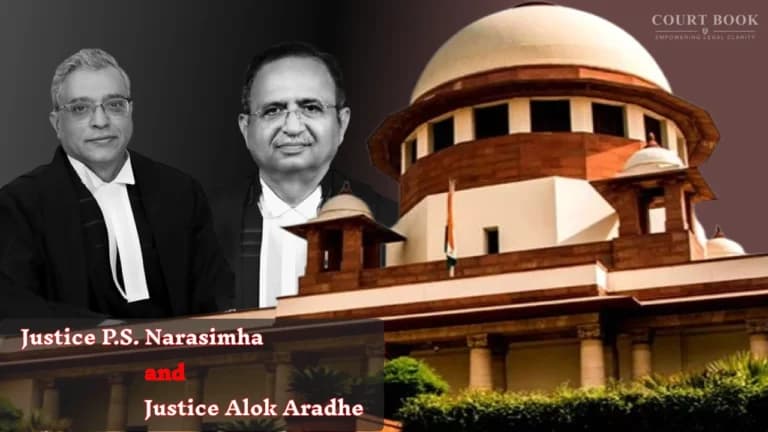
Judges: Justice Pamidighantam Sri Narasimha & Justice Alok Aradhe
Decision Date: April 2, 2026