

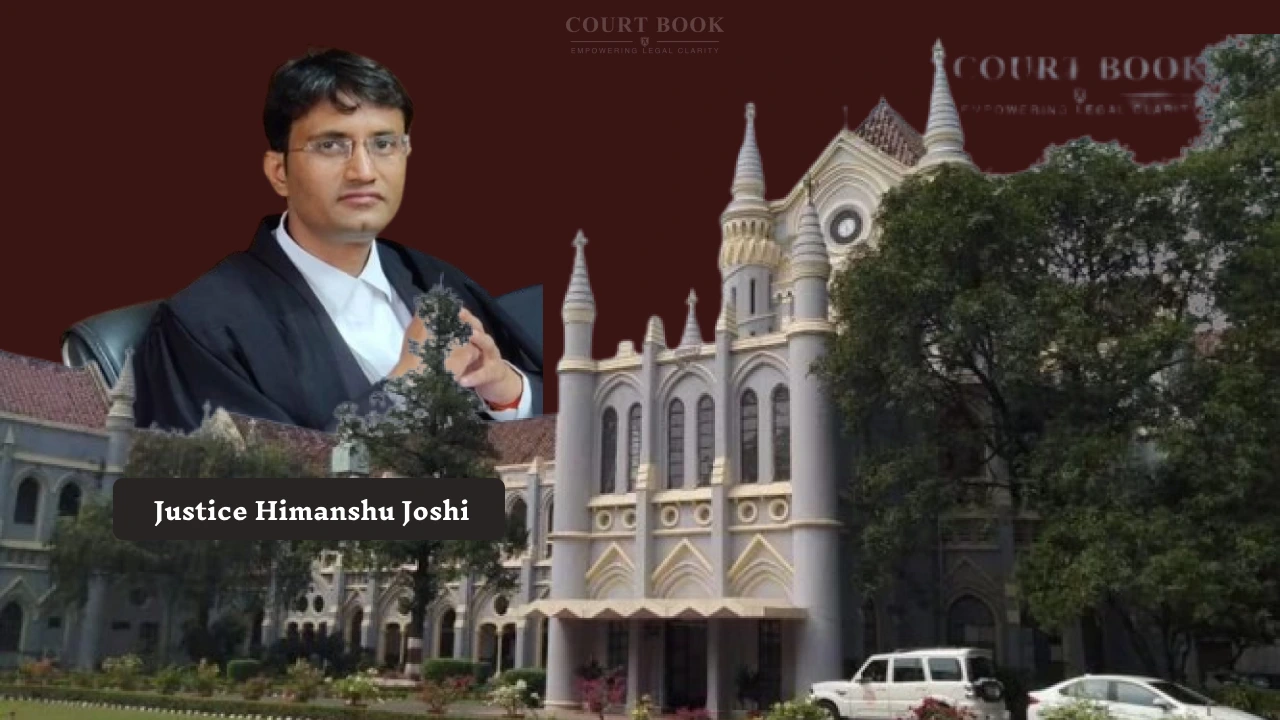
The Madhya Pradesh High Court has declined to interfere in a defamation case filed against an advocate who had accused rival candidates of forgery during a municipal election. The court held that whether the allegations were made in good faith or in public interest can only be determined during trial after examining evidence.
The ruling came from the High Court bench at Jabalpur while hearing a petition seeking to quash criminal proceedings for defamation under the Indian Penal Code.
Background of the Case
The case arose from a municipal election in Shahdol district. Dinesh Dixit, an advocate and former President of the District Bar Association, and another advocate, Rakesh Singh Baghel, had contested the election for the post of Municipal President. Both eventually lost the contest.
Read also:- Allahabad High Court Slams UP Officials Over Namaz Restriction in Sambhal During Ramzan
After the election, Dixit sent a written complaint to the Superintendent of Police alleging that Baghel and another individual had secured the election symbol “Cycle” by forging documents and making false declarations. He also filed a private complaint before a court citing offences such as cheating and forgery under various provisions of the Indian Penal Code.
The complaint was later withdrawn. Following this, Baghel and another respondent filed a case accusing Dixit of making false and defamatory allegations. A magistrate took cognizance of the offence of defamation under Section 500 of the IPC.
Dixit challenged this order before the Sessions Court, but the revision petition was dismissed, prompting him to approach the High Court under Section 482 of the Code of Criminal Procedure.
Counsel for the applicant argued that the allegations were based on material available in the State Election Commission booklet and the provisions of the Madhya Pradesh Municipalities Act. According to the applicant, the statements were made in good faith and concerned a public issue related to elections.
The defence also claimed that the case was protected under the First and Third Exceptions to Section 499 of the IPC, which allow imputations made for public good or opinions expressed on public questions.
On the other hand, the respondents argued that the accusations were false and harmed their reputation. Their counsel submitted that the allegations were publicized in a local newspaper and that no objections were raised during scrutiny of nomination papers during the election.
Read also:- Calcutta High Court Upholds Life Term in Murder Case, Says Evidence Clearly Points to Accused
They further pointed out that the withdrawal of the earlier complaint indicated that the allegations lacked substance.
The Court noted that for an offence of defamation under Section 500 IPC, certain ingredients must be present, including making or publishing an imputation about a person with the intention or knowledge that it would harm their reputation.
The bench observed that the applicant had indeed made written allegations accusing the respondents of forgery and criminal conspiracy, which were communicated to authorities and later appeared in a newspaper.
“The question whether the allegations were true, made in good faith, or in public interest falls within the statutory exceptions to defamation and requires examination of evidence,” the court observed.
It emphasized that such issues involve mixed questions of fact and law and cannot be conclusively determined at the stage of proceedings under Section 482 CrPC.
The court held that the material placed before the magistrate was sufficient to make out a prima facie case of defamation. At the stage of taking cognizance, a court only needs to determine whether the basic ingredients of the offence appear from the complaint.
Read also:- Supreme Court Debates 3-Year Practice Rule for Civil Judges; Application Deadline Extended
Since both the magistrate and the revisional court had already examined the complaint and found grounds to proceed, the High Court found no legal error or perversity in their decisions.
Accordingly, the High Court dismissed the petition and upheld the orders of the lower courts, allowing the defamation case to proceed to trial. The court also granted liberty to the applicant to pursue appropriate legal remedies regarding his earlier withdrawn complaint, if permitted by law.
Case Title: Dinesh Dixit v. Rakesh Singh Baghel & Others
Case Number: Misc. Criminal Case No. 7000 of 2019
Date of Decision: 25 February 2026
Judge: Hon’ble Justice Himanshu Joshi


