

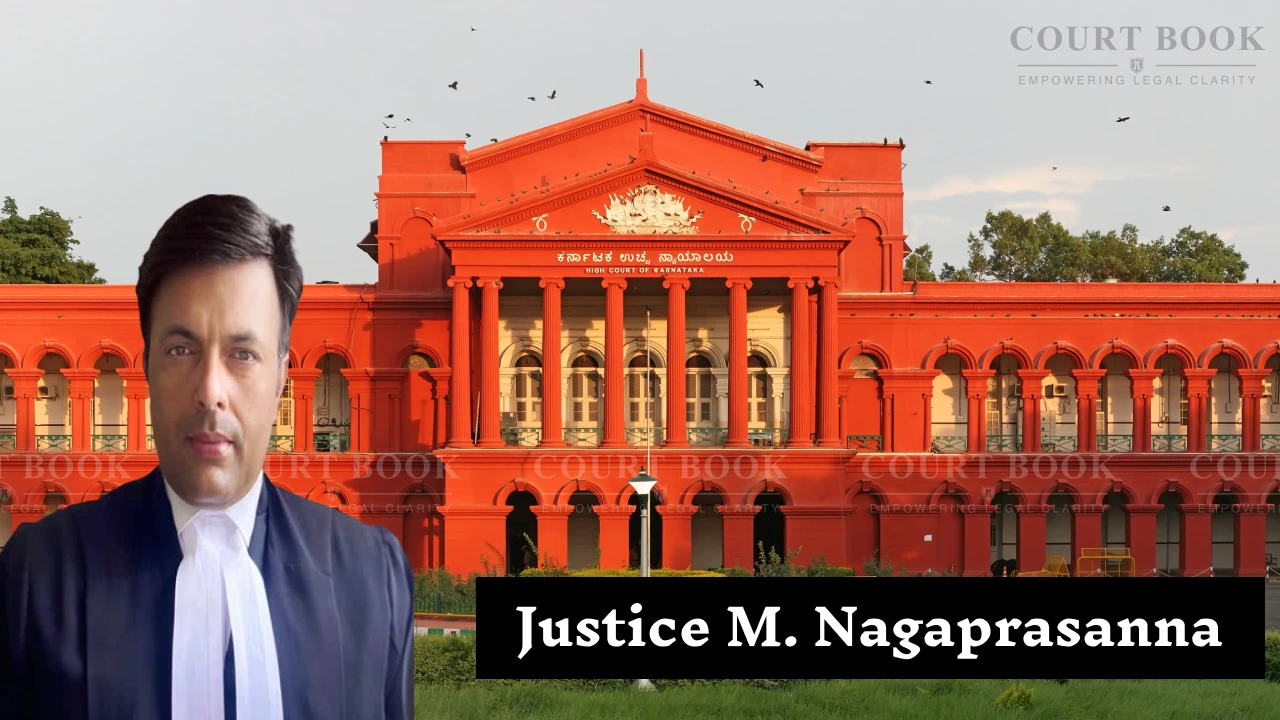
The Karnataka High Court recently raised concerns regarding the procedure followed by police while collecting biological samples from an accused in the alleged Ellavoma farm raid case of May 2025.
The court questioned how a medical examination could be conducted without clear proof that the accused had been formally arrested.
The issue came before a bench of Justice M. Nagaprasanna while hearing a petition seeking quashing of proceedings filed by a Bengaluru woman.
The case stems from a police raid conducted at the Ellavoma farm, where authorities claim to have recovered narcotic substances including hashish, cocaine, and hydroponic ganja.
The petitioner faces charges under provisions of the Narcotic Drugs and Psychotropic Substances Act, 1985 along with sections of the Bharatiya Nyaya Sanhita, 2023.
However, the petitioner argued that no contraband was recovered from her and that her name does not appear in the seizure records prepared during the raid.
According to the petitioner’s counsel, advocates Abhimanyu Devaiah and Akhil Atiq, the woman was allegedly present at a birthday gathering at the farm when the raid took place on May 25, 2025.
Read also:- Delhi High Court Clarifies: Setting Aside Trial Court Order Is Not Criticism of Judge
They argued that she was taken into custody and released on the same day but was never served with an arrest memo or grounds of arrest. Despite this, the police collected her blood and urine samples for forensic analysis.
The State contended that the petitioner was among 31 individuals detained during the raid, her statement was recorded, and medical examination was conducted before she was released.
The court questioned the legality of collecting biological samples without formal arrest documentation.
The bench observed:
“Without arrest, how did you conduct a medical examination? If you have arrested, what are the grounds of arrest?”
Read also:- Arvind Kejriwal Moves Supreme Court After Delhi HC Refuses to Change Judge in Excise Policy Case
It further noted:
“At least an arrest memo should be there. If a person is taken into custody and released, proper procedure must be followed.”
The court referred to Section 51 of the Bharatiya Nagarik Suraksha Sanhita, 2023, which governs medical examination of an accused person.
The High Court directed the State to produce documents explaining how the accused was taken into custody and how the biological samples were collected.
The matter has been posted for further hearing on March 23, where the court will examine whether the absence of an arrest memo affects the legality of the medical examination.
Case Title: Smt. Eman Abbas Topiwala vs. State of Karnataka
Case Number: Crl. P. 3020/2026


